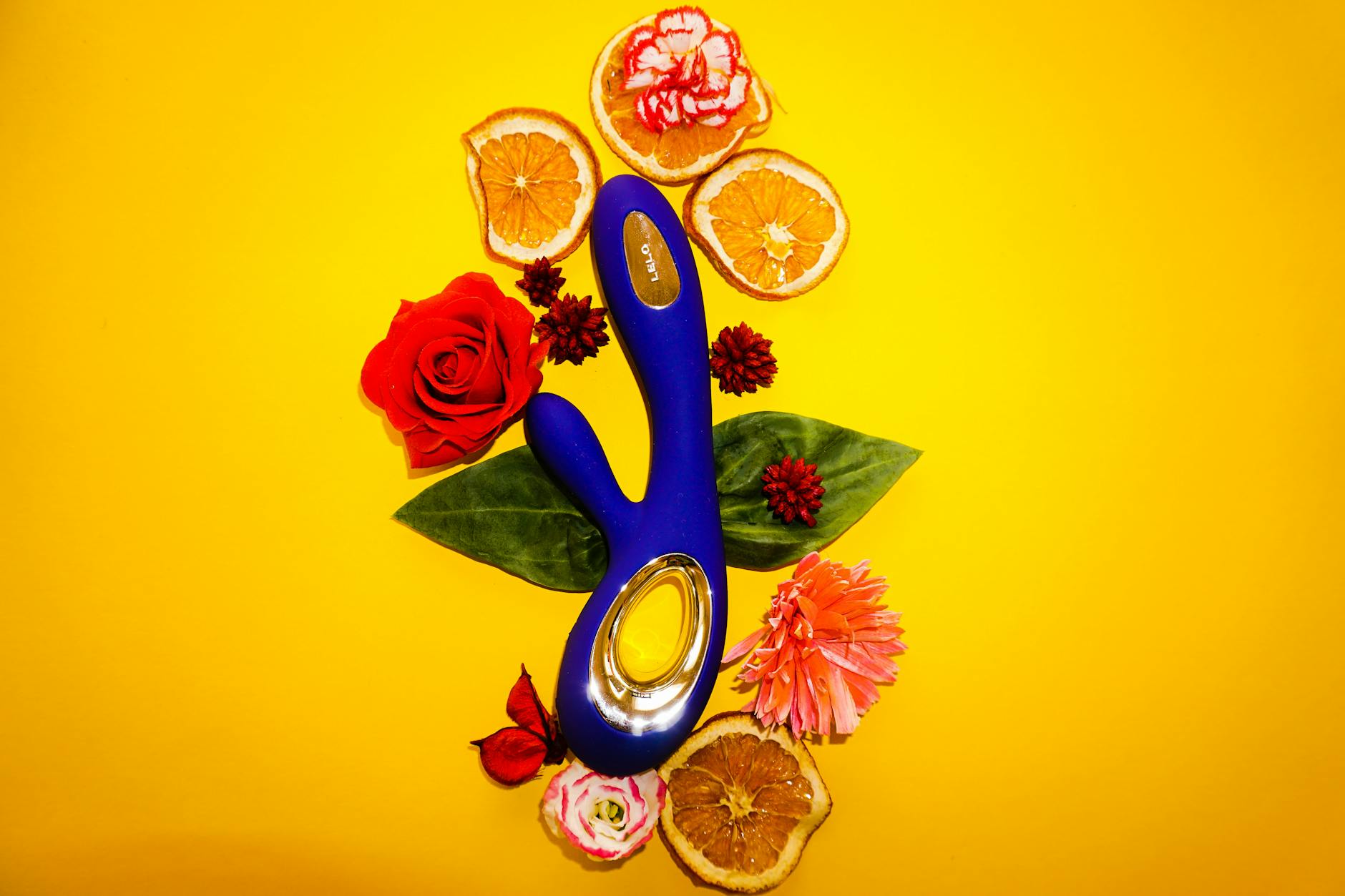
Let's be real about starting over
Divorce ends a lot of things. What people don't talk about as much is how it ends your relationship with your own body. After years of negotiating pleasure with someone else, or worse, negotiating away your own desire entirely, you're standing in front of a mirror as someone new. The person staring back is you. Alone. And sometimes that's more disorienting than the logistics of splitting a house.
This is the part of post-divorce recovery where nobody offers a roadmap. Therapy covers the emotional fallout. Friends offer wine. But rebuilding your sexual self? That's usually left to figure out alone.
That's where lemon vibrators come in. Not as a band-aid. As a real tool for reconnecting with pleasure that belongs entirely to you.
Why solo pleasure matters more after divorce than you think
After separation, your nervous system is recalibrating. You've spent years syncing your body to someone else's rhythm. Their mood. Their timeline. Their preferences. Even if that relationship was healthy, that's a form of attunement that becomes part of how you experience arousal.
When that person leaves, your arousal patterns don't automatically switch to solo mode. They just... stall. You might feel numb. Guilty for even thinking about pleasure. Worried that wanting something for yourself now means you wanted too much before.
Solo pleasure after divorce isn't indulgence. It's the opposite. It's reclaiming your body as yours. Not performing for anyone. Not managing someone else's comfort. Just you, your nervous system, and the slow process of remembering what feels good.
Lemon clitoral vibrators work particularly well for this because they're designed for precision. The suction mechanism doesn't require you to perform or build momentum. It does the work. Which matters when your baseline arousal is already lower and you're rebuilding confidence in your own desires.
The nervous system piece nobody mentions
Divorce is a trauma, even when it's the right choice. Your nervous system has been in some version of fight-or-flight for months or years. Anticipating conflict. Managing someone else's mood. Or worse, recovering from it.
When arousal starts to build during solo time, your nervous system sometimes hijacks it. A thought creeps in: "What if they come home?" Or the inverse memory: "I'm not allowed to want this." The parasympathetic activation required for orgasm gets interrupted by old protective patterns.
Lemon vibrators help because they're fast and focused. You're not working toward arousal through extended build-up, which gives your anxious brain time to chime in. The suction starts gentle and can escalate quickly. For people rebuilding confidence, that directness is freeing. Your body doesn't have to do all the heavy lifting. The device handles it. Your job is just to let yourself feel it.
Starting solo again: the actual practice
Here's what works for most people rebuilding after divorce.
First week: exploration without expectation. Don't aim for orgasm. Use your lemon vibrator on the lowest setting just to remember what stimulation feels like. You might use it for two minutes. That's fine. The goal is nervous system regulation, not performance. Let your brain record the sensation without judgment.
Week two to four: adding time. Extend sessions to five to ten minutes. Try different patterns if your device offers them. Again, no orgasm target. You're teaching your body that pleasure is safe now and belongs to you.
Month two onward: pleasure building. By now, you'll likely notice your arousal responding. Start building a routine. Same time, same quiet space if possible. Your nervous system loves predictability, and divorce has taken that away. Creating ritual around solo time actually strengthens the experience.
When you're ready to chase orgasm, start with lower settings and gradually increase. The suction mechanism on lemon vibrators doesn't require the constant direct friction of traditional vibrators, which means you can stay with one intensity longer without numbness. That sustained sensation helps rebuild the neural pathways that make orgasm feel attainable.
The confidence piece matters more than the device
The Lem vibrator itself is engineered for clitoral pleasure. But the real work is giving yourself permission to use it.
You'll have thoughts like: "Is this too soon?" "What does this say about me?" "Am I replacing my partner?" These aren't signs something's wrong. They're your nervous system checking in, still partly calibrated to someone else's judgment.
Here's what I tell people: your pleasure matters now. Not because you're trying to prove something. Not because you're healing. Because you deserve to feel good in your body. That's it. No deeper meaning required.
When guilt shows up (it will)
Guilt after divorce is complicated. You might feel guilty you didn't work harder on the relationship. That you're moving on too fast. That you're allowed to feel good when the other person might be suffering.
Solo pleasure sometimes activates all of that at once. The body remembers obligation. It remembers performance. Using a lemon vibrator for your own satisfaction can trigger a surprising amount of resistance.
If guilt surfaces when you're exploring, stop. Not permanently. Just pause and breathe. Notice the feeling without fighting it. Guilt that shows up during solo time is usually old material. It's your system protecting you from vulnerability. It's not truth.
Take a few days off if you need to. Then come back. Rebuilding isn't linear. It's practice.
Getting curious about what you actually want
This is the unexpected gift of starting over. You get to ask yourself: what do I actually want? Not what do I think I should want. Not what my ex preferred. What turns you on now?
You might discover your pleasure has changed. Maybe you want more intensity now. Maybe you want softness. Maybe you want to take your time in a way you didn't before. Solo time with a lemon clitoral vibrator is the safest way to find out.
Expand your practice. Use it in different rooms. Different times of day. Try it when you're tired. When you're energized. Notice what changes. There's no right way, which is exactly the point.
Moving toward pleasure with partners (if you want to)
Rebuild solo first. This isn't a rule. It's a foundation.
When you're ready to share pleasure with someone new, you'll already know your own body. You'll know what you like. That knowledge is power. It means you're not discovering your desires for the first time while managing someone else's comfort.
Introducing a lemon vibrator with a new partner is straightforward if you've already used it alone. You're not figuring it out together on first use. You're showing them something you already know and trust.
The timeline isn't written
Some people rebuild confidence in three months. Some take a year. Some spend two years solo before they're ready for a new connection. None of those timelines is wrong.
What matters is that you're using this time to get reacquainted with your own pleasure. To remember that your desires are valid. That your body is yours. That orgasm doesn't belong to anyone but you.
A lemon vibrator is just a tool. But it's a tool that says clearly: your pleasure matters. You deserve this. Your body deserves this.
Use it that way.
Frequently asked questions
How long after divorce should I start using a vibrator?
There's no magic timeline. Some people want to explore solo pleasure within weeks. Others need months to feel emotionally ready. The key is whether you're using it to reconnect with your body or to avoid processing the divorce. If it feels exploratory and gentle, you're probably ready. If it feels frantic or desperate, take a breath. Give yourself a little more time.
Will using a lemon vibrator alone make it harder to feel pleasure with a partner later?
Absolutely not. Solo pleasure with a lemon clitoral vibrator actually makes partnered sex easier because you already know what turns you on. You're not learning your desires for the first time while managing someone else's feelings. You're bringing knowledge into the partnership, which is the opposite of dependent.
What if I feel guilty or weird using a vibrator after my divorce?
That's completely normal. Your nervous system spent years syncing to someone else's approval. Using pleasure purely for yourself can activate old patterns of shame or obligation. When guilt shows up, pause without judgment. Notice it. Breathe. It usually passes. If it doesn't, talking to a therapist who specializes in post-divorce recovery can help you process those feelings.
Can I use a lemon vibrator if I'm still grieving the relationship?
Yes. Grief and pleasure aren't mutually exclusive. You can miss what was and still deserve to feel good in your body. In fact, rebuilding solo pleasure while grieving actually helps your nervous system regulate. It's a way of saying: this chapter ended, and I still get to feel good. Those two things can coexist.
Should I tell a new partner I've been using a lemon vibrator solo?
That's entirely up to you. Some people bring it up naturally because they're comfortable with it. Others wait until it feels right in the relationship. There's no rule. What matters is that you're not ashamed of it. Your solo pleasure is yours. Sharing it is optional.
How is a lemon vibrator different for someone rebuilding after divorce?
The suction mechanism on lemon vibrators is gentler and more targeted than traditional vibrators, which matters when your arousal is already depleted. You're not working as hard to reach sensation. That directness helps rebuild confidence faster. Plus, the design is beautiful, which sounds small until you realize you deserve beauty in every part of your life now. Including this.
Your body is yours again
Divorce takes a lot. Your daily routine. Your identity as a partnered person. Your trust in relationships. But it also gives something back: your body. Entirely, completely yours.
Lemon vibrators are one way to reclaim that. Not the only way, but a powerful one. They're designed for precision pleasure, which means less work for your nervous system and more room for sensation.
Start where you are. Explore gently. Give yourself permission to feel good. Your pleasure matters.
For more on rebuilding intimacy and confidence after major life transitions, check out our full guide on how lemon vibrators help when you're returning to pleasure after anxiety. You can also explore how lemon vibrators compare to traditional vibrators for clitoral stimulation to understand what makes the suction mechanism different.
Ready to reconnect? Get in touch if you have questions about getting started.