How Lemon Vibrators Help When You're Returning to Pleasure After Anxiety
When anxiety hijacks your nervous system, touch feels dangerous. A marriage coach on why clitoral suction vibrators matter, how they work differently, and what rebuilding actually looks like.
Let's be real. After weeks or months of anxiety, your body doesn't work the way it used to. Touch that once felt good now triggers a flinch. Your mind wanders mid-moment. Arousal either doesn't show up or arrives then disappears the second you notice it. None of this means you're broken. It means your nervous system is stuck in a protection pattern, and pleasure requires a specific kind of safety signal to turn back on.
Here's what I see clinically: people try to push through. They think "I just need to relax" or "I should be able to do this by now." Then it doesn't work, and the shame cycle starts. The shame becomes another layer of anxiety, and the body tightens further. The lemon vibrators from Nancy's Lem interrupt that loop not because they're magic, but because they work with how anxiety-affected nervous systems actually respond to stimulation.
Anxiety floods your system with cortisol and adrenaline. Over time, these hormones dial down your parasympathetic nervous system. the one responsible for relaxation, digestion, and arousal. Your body becomes hypervigilant. Touch that's too direct or too intense can feel overwhelming or painful. Your threshold for sensation drops.
Meanwhile, the neural pathways for pleasure atrophy a bit. Not permanently, but noticeably. You might notice that you need more input to feel anything, or conversely, that even light touch feels too much. Some people report numbness. Others describe a weird disconnect where they can see they're being touched but don't feel present in their body.
What doesn't happen: you don't lose the capacity for pleasure. The anatomy is still there. The nerves still work. The brain can still generate orgasm. What's offline is the permission signal your body needs to let pleasure happen.
Most vibrators work through rapid oscillation. They're direct, high-frequency, and ask your body to receive a lot of stimulation all at once. For an anxiety-affected nervous system, that's often too much too soon. It can feel invasive or triggering.
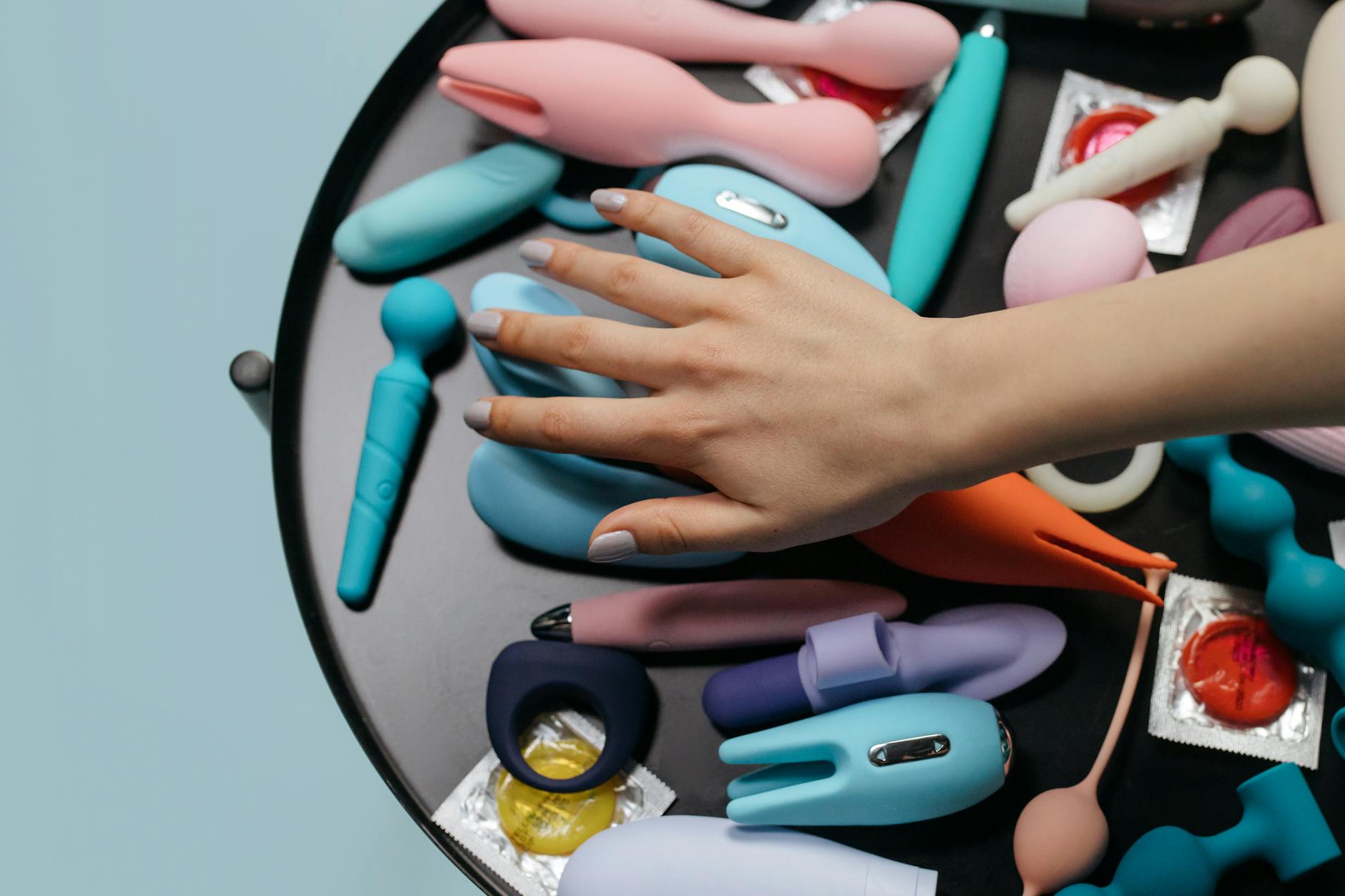
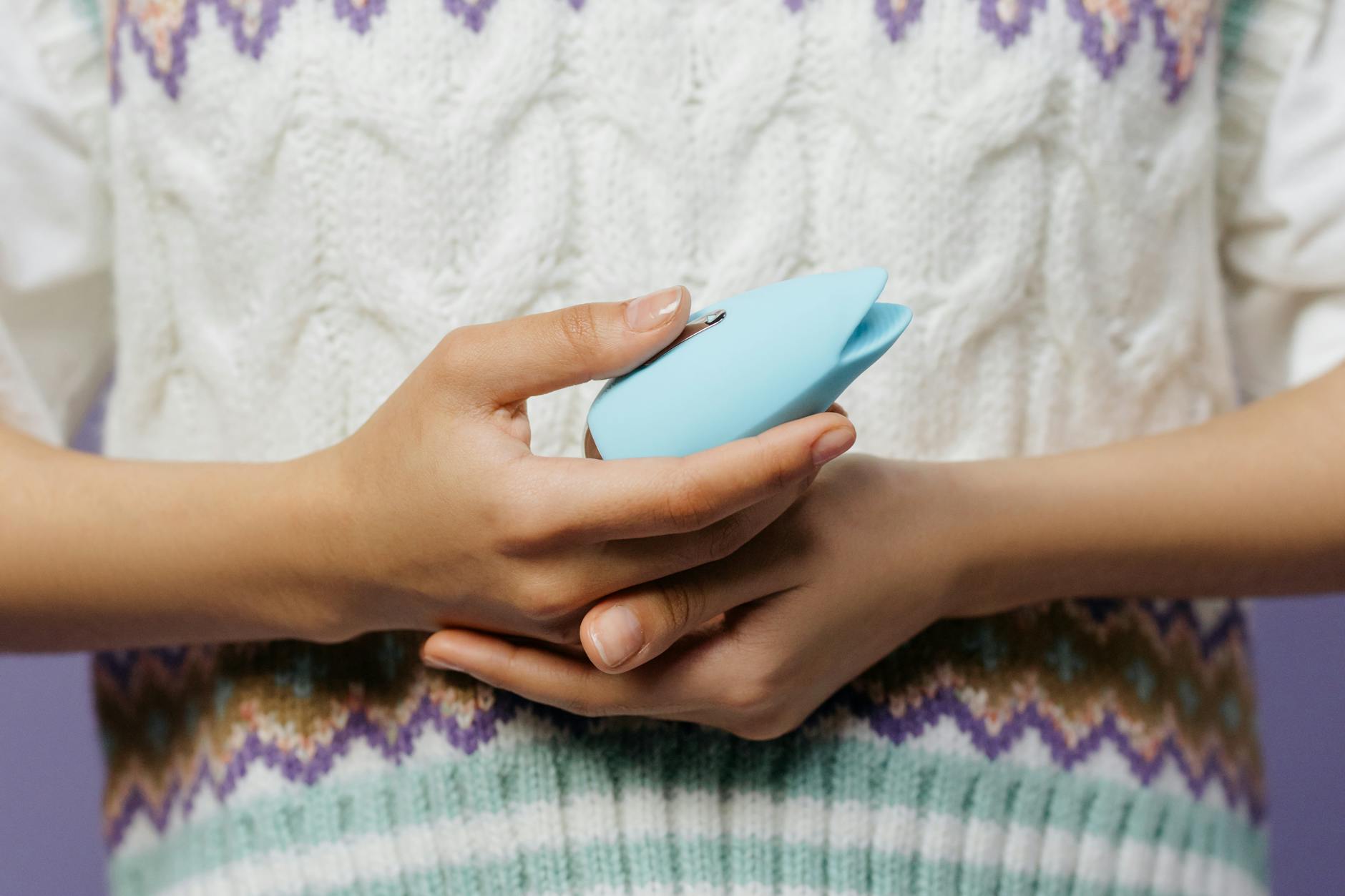
Clitoral suction vibrators like Nancy's Lem work differently. Instead of vibration, they use gentle air-suction patterns that mimic the sensation of oral stimulation. The experience is less intense, more enveloping, and crucially, it engages your nervous system through a different sensory pathway.
Why that matters: suction feels like contact without pressure. It's contained. Your nervous system registers it as safer because it's not drilling sensation into your tissues. You can control the intensity dial without feeling like you're choosing between "nothing" and "too much." That graduated control is what allows your body to stay present instead of bracing or dissociating.
Here's how the rebuild actually works with a lemon clitoral vibrator or similar suction device.
Phase one: sensation without demand. You use the device on the lowest setting, often just exploring. Not trying to reach orgasm. Not aiming for anything. Just relearning what your body can feel. This teaches your nervous system that touch is safe again. It's surprisingly powerful. Many people tell me that this phase alone shifts something. Their body remembers: "Oh. Touch doesn't have to be a threat."
Phase two: graduated intensity. Once you're comfortable at level one, you try level two. Still no performance pressure. You're building tolerance and rewiring the association between touch and safety. This usually takes a few sessions. Days or weeks, not months. But the pace matters. Rushing defeats the point.
Phase three: presence and response. As your nervous system relaxes, something unexpected often happens. Arousal starts to build without you forcing it. Your mind stays present instead of catastrophizing. You might notice warmth, wetness, or other signs of arousal that had gone missing. This phase confirms that your body is healing.
The device itself is maybe sixty percent of this. The other forty percent is environment and intention.
After anxiety, your brain needs to know it's safe before your body will respond. That means: no pressure to perform, no outcome goals, actual privacy, and ideally a partner who understands that this is nervous system recovery, not a test of attraction.
If you're partnered, you might start this alone. That's not a rejection of your partner. It's the fastest way to rebuild the signal. Once you've re-established connection with your own body, integration with a partner becomes much easier. If you're single, privacy and time are your main needs.
Setting matters too. Temperature, lighting, whether your phone is in another room. Anxiety makes you hypervigilant to interruption. Your nervous system needs actual safety, not just the idea of it.
If you're still in active panic or generalized anxiety, addressing that first will help more than any vibrator will. I recommend working with a therapist or your doctor to stabilize your baseline anxiety. Once it's manageable, the nervous system recovery work becomes much faster.
If anxiety has caused relationship strain, that's a different conversation with your partner or a couples therapist. A lemon vibrator is a tool for rebuilding your relationship with your own pleasure. It's not a substitute for addressing relational dynamics.
If you've experienced trauma, suction vibrators can feel safer than traditional vibrators, but trauma recovery work is ideally paired with professional support.
Most people tell me that within two to four weeks of consistent, low-pressure use, their baseline arousal and sensation return noticeably. Orgasms usually follow within four to eight weeks. But the real shift happens earlier: the moment you realize your body isn't broken, just recalibrating.
That's when the shame lifts. That's when you start to trust yourself again.
No. Anxiety can rewire your nervous system temporarily, making arousal harder to access and sensation harder to feel. But neuroplasticity works both ways. As you consistently signal safety to your body, those pathways rebuild. It's not instant, but it's reliable. Most people find their baseline returns once the anxiety settles and they've re-established connection with their body through consistent, low-pressure stimulation.
For anxiety-affected nervous systems specifically, yes. Clitoral suction devices work through a different sensory channel than traditional vibrators. The gentleness of suction and the ability to control intensity from very low to moderate makes them ideal for nervous systems that are hypervigilant to stimulation. You're less likely to feel overwhelmed or triggered. That matters because your goal is to teach your body that touch is safe, and suction devices do that more efficiently than high-frequency oscillation.
You don't need to be completely anxiety-free. You need your baseline anxiety to be manageable enough that you can sit with your body for 15 to 20 minutes without panicking. If your anxiety is still acute and overwhelming, stabilizing that first will actually speed the pleasure-rebuild process. But mild to moderate anxiety coexisting with your rebuild work is fine. That's actually the real world for most people.
Both work. Solo use is often easier first because there's zero performance pressure. Your body heals faster without an audience. But once you've reestablished your own connection to pleasure, many people find that integrating the device with a partner deepens intimacy. The device isn't about replacing your partner. It's about proving to your nervous system that receiving pleasure is safe. Once your body believes that, it extends to partnered situations too.
Numbness after anxiety is real and usually means your nervous system is still in protection mode. First, check whether your baseline anxiety has actually decreased. If it hasn't, addressing the underlying anxiety (therapy, medication, or both) will help more than continuing solo. If your anxiety is stable but numbness persists, extend the timeline. Some bodies need four to eight weeks. You might also try alternating between the device and manual stimulation to give your nervous system variety. If numbness is lasting beyond two months of consistent, low-pressure work, that's worth discussing with a therapist or doctor who understands sexual recovery.
Your hand is valuable. It gives you control and direct feedback. But a device like the Lem offers something your hand doesn't: consistent, graduated stimulation without fatigue. It also creates a different sensory experience that can feel less emotionally loaded than partnered or manual touch. Some people find that the device's consistency actually helps their nervous system relax faster because there's no variation or surprise. Use both. They serve different purposes in recovery.
One of the biggest shifts I see in my work happens quietly. It's the moment someone realizes their body is responding again without force or shame. That's when the real rebuild begins. A lemon vibrator from Nancy's Lem isn't magic. But it's a tool designed for nervous systems in protection mode. It signals safety through sensation. And your body, given permission and consistency, remembers how to trust pleasure again.
The timeline is yours. The pace is yours. The goal isn't to perform arousal or force orgasm. It's to teach your nervous system, one low-pressure session at a time, that pleasure is possible and you are safe. That's it. That's the whole thing. Everything else follows.