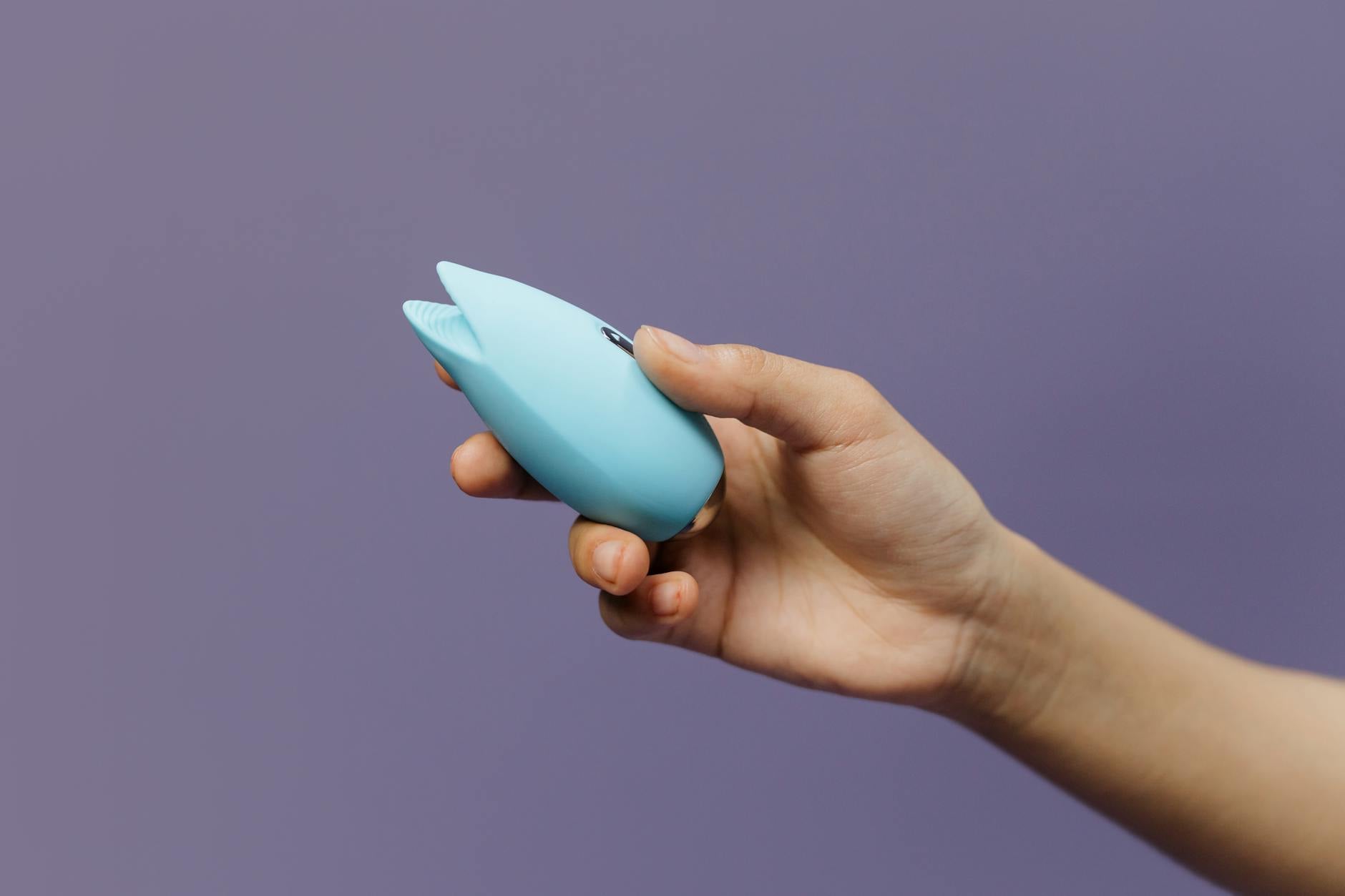
How to Use Lemon Vibrators When Desire Feels Disconnected From Your Body
When your mind wants pleasure but your body feels absent, lemon clitoral vibrators offer a pathway back to sensation. Here's how to use them for reconnection, not pressure.
You want to feel pleasure. Your brain knows you should want it. But when you try, nothing's there. Your body feels like a rental you're borrowing, not a home you live in. This disconnect is real, and it's more common than you'd think. Stress, trauma, medication, aging, relationship distance, or just the accumulated weight of years can all create a gap between desire and sensation. The good news? That gap can close. It just takes the right approach and the right tool.
Here's what I see in my practice. Most people assume the problem is that they've lost desire entirely. But usually what's happened is that desire and sensation got untethered. You can want connection without feeling your body respond. You can crave intimacy without physical arousal showing up. These feel like the same problem. They're not.
Your body communicates through sensation. When you're stressed, anxious, or carrying tension you haven't processed, your nervous system essentially turns down the volume on pleasure signals. It's protective. Your body's not broken. It's just quiet.
Dissociation from pleasure often shows up after emotional rupture (a painful breakup, betrayal, period of isolation), medication changes (SSRIs are notorious for this), or months of operating in survival mode at work or at home. The pathways for arousal are still there. The wiring hasn't disappeared. But the signal is so quiet you can barely hear it.
This is where sensation tools come in. Clitoral vibrators, particularly lem vibrators with their suction-based design, don't wait for your body to wake up on its own. They create stimulation so clear and direct that your nervous system registers it. No ambiguity. No soft whisper. Just. A. Signal.
There are two basic technologies in clitoral vibration: buzzing and suction. Buzzing sends vibration into tissue. Suction pulls the tissue gently upward and mimics the sensation of oral sex. For someone experiencing numbness or disconnection, suction is often more effective because it creates a completely different sensation. It's not subtle. It's novel. Your body can't ignore it.
Lem vibrators use air-pulse technology. This means they're not just vibrating against you. They're creating a rhythmic suction and release. For many people, especially those rebuilding sensation after disconnection, this feels less like stimulation and more like actual touch. That matters psychologically. You feel touched, not just stimulated.
Start by setting zero expectations for arousal. Your job is not to come. Your job is to notice sensation. Use the Lem on its lowest setting (pattern 1 or 2) for just five to ten minutes. Don't aim the pressure directly at your clitoris. Hover it slightly above or to the side. Let your body register the feeling without intensity.
This sounds simple because it is. But it's crucial. Most people in disconnection mode approach self-pleasure like a problem to solve. You want to feel. You want it to work. That urgency creates pressure, which reinforces the numbness. By removing the goal, you remove the obstacle. You're teaching your nervous system that sensation is safe and available without a deadline.
Phase Two: Gradual pressure increase.
Once you've spent a few days or a week noticing baseline sensation, you can start adjusting patterns and intensity. Move from pattern 1 to pattern 3. Notice the difference. Adjust positioning. Spend time at each level before moving up. Let your body acclimate and signal readiness. This isn't rushing. This is listening.
Many people skip this phase because they think sensation should just be "on" or "off." But reconnection works through incremental recalibration. Each time you notice a sensation and sit with it, you're telling your nervous system it's safe to feel more.
Phase Three: Integration with context.
Once baseline sensation is returning, you can layer in context. Maybe you use the Lem while listening to music that makes you feel embodied. Maybe you use it after a warm bath. Maybe you use it with a partner present, even if they're not directly involved. Context signals safety. Your nervous system is more willing to feel pleasure when it trusts the environment.
If you're working through numbness, environment matters more than usual. Here's what helps.
Use a private space where you won't be interrupted. Even the possibility of interruption creates a low-level vigilance that keeps sensation muted. Close the door. If you can, put your phone in another room. Give your nervous system permission to fully land in what you're doing.
Warm your body first. A shower, a bath, or even just bundling under a blanket signals to your nervous system that this is safe time. Cold, tense bodies don't feel much. Warm, relaxed bodies register sensation much more clearly.
Use water-based lubricant even if you're not sure you need it. Disconnection often comes with dryness (sometimes emotional, sometimes physiological). Lube makes contact feel better and removes friction that can distract from sensation. The Lem works beautifully with lube because it's designed for that texture.
Give yourself time. If you've been numb for months or years, reconnection doesn't happen in one session. Expect it to take weeks. But also expect change. Most people notice something shifting within the first week of consistent gentle practice.
If your numbness showed up during or after a relationship rupture, solo reconnection work is step one. But step two is usually communication with your partner. If you have one, they need to know you're working on this and why. "I've been feeling disconnected from pleasure, and I'm exploring that on my own first" is very different from silence, which often feels like rejection.
If you're working with a partner, using lemon vibrators with a partner while keeping your pleasure intact requires the same principle. Don't perform pleasure for them. Use the Lem because it helps you feel. If they're present, that's bonus. But the practice is about you reconnecting to your own sensation, not meeting their expectations.
If using the Lem creates pain, stop. Disconnection shouldn't cause pain. Pain means something else is happening, and you'd benefit from checking in with a gynecologist. Numbness is one thing. Pain is different.
If you're using the Lem to escape or dissociate further, that's a signal to pause and check in with yourself. The goal of reconnection is to feel more, not to disappear into numbness while doing something that looks like pleasure. If it doesn't feel grounding, it's not helping.
If disconnection is paired with depression, anxiety, or trauma that feels bigger than you can hold alone, reach out to a therapist. Sensation tools are powerful, but they're not substitutes for professional support when deeper stuff is present.
Most people notice shifts within a week. A slight warming sensation, maybe. A moment of unexpected response. These are real changes, not imagination. By week three or four, actual arousal usually starts returning. It might be small. It might be inconsistent. That's normal. Your nervous system is cautiously reopening a door it closed for protection.
Full reconnection? That's usually three to six months, depending on how long the disconnection lasted and what created it. But you don't have to feel completely normal to start feeling better. Small shifts matter. They're evidence that your body is listening again.
Disconnection carries shame. You feel broken. You feel like you should just be able to feel pleasure, and the fact that you can't feels like failure. It's not. Disconnection is your nervous system's intelligent response to something that felt unsafe. Your body was protecting you. Now it's learning to feel safe again. That learning deserves patience, not judgment.
Use the Lem as a kindness practice, not a performance. You're not trying to be good at pleasure. You're teaching your body that sensation is available, safe, and yours to explore. That's the whole practice.
Start with five to ten minutes. Disconnection reconnects best with consistency and gentleness, not duration. Five minutes daily is more effective than thirty minutes once a week. Your nervous system needs frequent, low-pressure signals that pleasure is available.
Yes. In fact, lemon vibrators can improve pleasure after antidepressant use specifically because they create such clear sensation. Talk to your doctor if you're concerned, but numbness from medication is not a contraindication for vibrator use. It's actually one of the clearest use cases.
Anxiety during solo pleasure is also a disconnection symptom. Your nervous system is hypervigilant. Start smaller. Maybe just hold the Lem without turning it on. Maybe hold it and turn it on at lowest setting for ten seconds. You're teaching your nervous system that this is safe. That teaching takes time.
Often yes, but not always. You might feel numb alone but responsive with a partner (or vice versa). If it's partner-specific, the issue might be relational trust, not sensation. If it's consistent across both contexts, it's probably nervous system-based. How to use lemon vibrators on sensitive skin without discomfort covers some physical sensitivity angles, but psychological disconnection is different from physical sensitivity.
Depends on the relationship. If you're partnered and planning to bring pleasure back into that relationship, transparency usually helps. You don't need to give details. "I'm working on reconnecting to my own pleasure" is enough. But secrecy often reinforces the disconnection because it keeps nervous system vigilance high.
Disconnection means desire is there but sensation feels blocked. You want to feel pleasure, but your body isn't responding. Low desire means you don't want pleasure at all. You're indifferent. If you're here reading this, you probably have disconnection, not low desire. Low desire needs different work.
Your body hasn't forgotten how to feel. It's just protecting itself for now. Reconnection is possible. It's gradual. It requires consistency and patience. And it usually starts with something as simple as your lemon vibrator on its lowest setting, in a warm space, with no expectation except to notice sensation. That's the beginning.