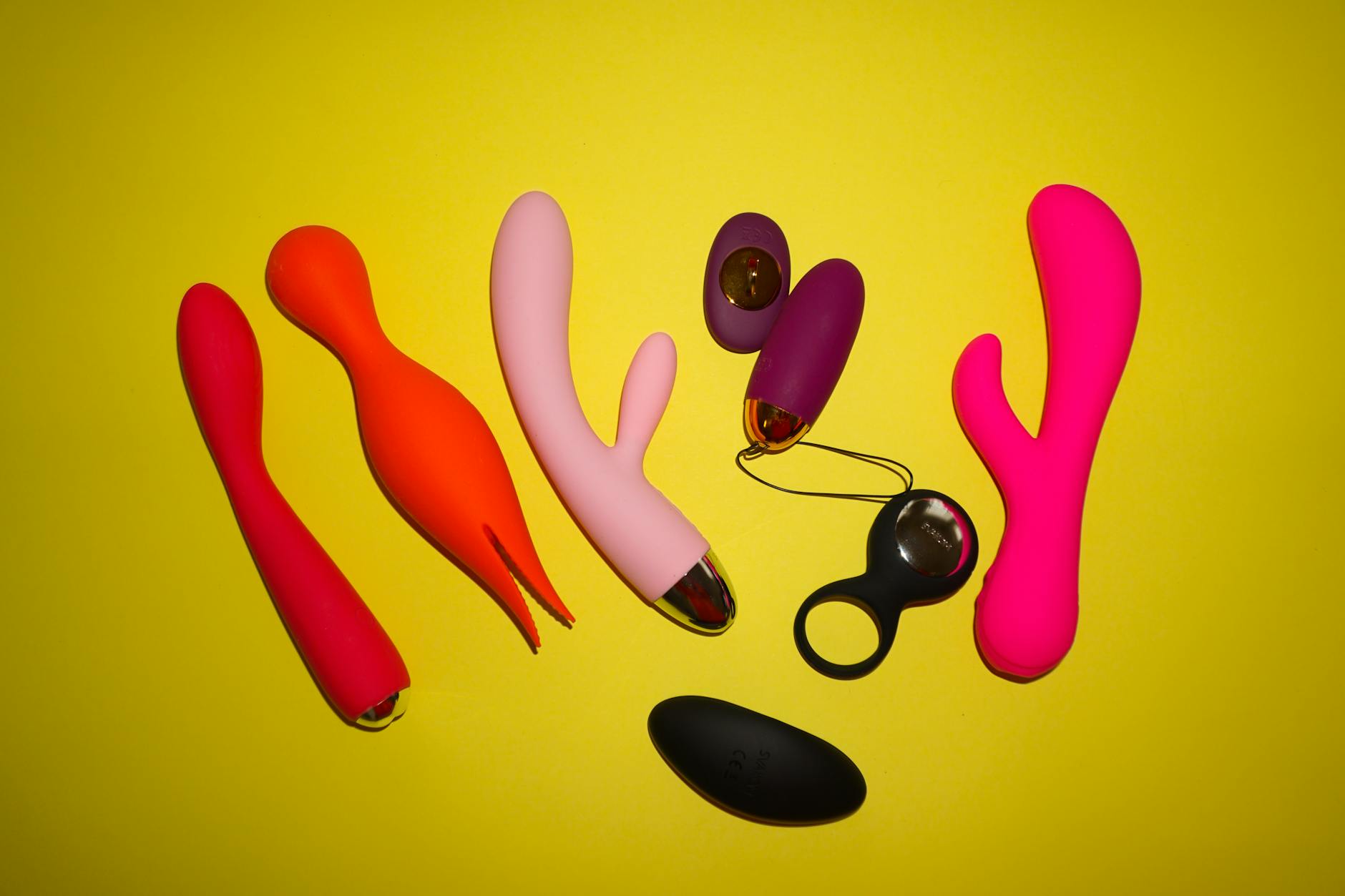
Here's the real situation with sensitive skin and lemon vibrators
Sensitive skin and pleasure don't have to conflict. The trick isn't avoiding vibrators altogether—it's understanding exactly how sensitive tissue interacts with suction, vibration, and friction, then adjusting your setup accordingly. Most people with sensitive skin actually do beautifully with lemon clitoral vibrators once they nail the technique.
The suction design of lemon vibrators means they don't rely on harsh friction. That's already a win. But sensitive skin needs a few additional layers of care: the right barrier, the right lubricant, the right starting intensity, and knowing when to pause. I'm going to walk you through each one.
Understanding why sensitivity matters with clitoral vibrators
Your clitoral tissue is delicate by design. It's packed with nerve endings—roughly 8,000 of them in a space smaller than a pea. That density is what makes sensation possible, but it also means irritation travels fast and feels intense. Add in factors like eczema, psoriasis, contact dermatitis, or even just chronically dry skin, and you're working with tissue that needs actual strategy, not just caution.
When you use a lemon vibrator on sensitive skin without prep, a few things can go wrong. The suction can pull at already-fragile tissue. Vibration at high intensity can overstimulate nerve endings, turning pleasure into rawness. And friction from inadequate lubrication creates micro-tears you might not feel immediately but will notice the next day. None of this is inevitable. All of it is preventable.
The pre-play setup that changes everything
Start 20 to 30 minutes before you actually want to use your lemon vibrator. Shower or soak the area in warm water for a few minutes. Warm water softens skin and increases blood flow, which does two things: it makes tissue more resilient and more responsive to gentle stimulation. Your sensitivity decreases slightly, and your capacity for pleasure increases.
After your warm water soak, pat dry completely. Water left on skin can trap bacteria and create a hostile environment for sensitive tissue. Then apply a barrier layer. This sounds clinical, but it's genuinely protective. A thin layer of water-based lubricant creates a slip surface between your skin and the vibrator head, reducing direct friction and suction pull.
If you've got diagnosed skin conditions like eczema, consider a heavier cream layer first. A fragrance-free body cream or eczema-specific balm applied to the entire vulva area provides an extra protective film. Wait 2 to 3 minutes for it to settle, then apply your water-based lubricant over top. The water-based lube will sit on the surface without mixing completely, giving you two protective layers.
Lubricant selection is non-negotiable
For sensitive skin, water-based lubricants are your only real choice. They're compatible with silicone toys (lemon vibrators included), they wash away easily, and they don't trap heat or bacteria the way silicone-based lubes can. But not all water-based lubes are equal.
Avoid anything with glycerin if you're prone to yeast infections or bacterial vaginosis. Glycerin is a sugar, and your microbiome treats it like food. Skip anything with parabens if contact dermatitis is your concern—parabens are common irritants. And avoid numbing lubes entirely. They work by deadening sensation, which sounds protective but actually removes your body's early warning system. If something starts to irritate you, you won't know until damage is done.
Look for lubes labeled hypoallergenic, fragrance-free, or specifically formulated for sensitive skin. Brands that keep their ingredient lists short and transparent are usually safer bets. And here's the thing: you want slippery, not thick. A lube that requires friction to spread out defeats the purpose. You want something that glides immediately, reducing the need for your skin to create its own lubrication through pressure.
The intensity progression that protects without limiting pleasure
Your lemon vibrator has multiple intensity settings for a reason. Most people jump to setting 3 or 4 and stay there. With sensitive skin, you're going to start at pattern 1 and spend real time exploring it before you move up.
At setting 1, the suction is gentle and the vibration is barely perceptible. It feels almost like a soft pulse. Spend 3 to 5 minutes here. Notice what you feel. Notice where you feel it most intensely. Notice whether your body relaxes into it or tenses up. With sensitive skin, that relaxation period matters. Your nervous system needs to recognize the sensation as safe before it can open up to deeper pleasure.
After 5 minutes at pattern 1, move to pattern 2. Again, spend a few minutes. You're building arousal gradually, and you're teaching your sensitive tissue that vibration doesn't mean harm. By the time you reach pattern 3 or 4, your body has already adapted to the sensation. Tissue is more resilient. Your nervous system is activated and receptive. The experience of intensity at that point is totally different than if you'd started there.
This isn't about being timid. It's about pacing. Slow arousal actually builds deeper sensation. Many people with sensitive skin report that their best orgasms come from this slow build, because they're not fighting against overstimulation. They're surfing the edge of sensation, not drowning in it.
Watch for these specific warning signs
If you feel stinging, burning, or a sharp pinching sensation at any point, stop immediately. Don't push through. That's your tissue telling you it's reached its limit. You might have insufficient lubrication, or the intensity might be too high for that moment. Either way, pause, reapply lube, and try again at a lower setting in 10 minutes. Your skin will recover quickly.
Rawness or a scraped feeling the next day means you went too long or too intensely at some point. That's information for next time. Extend your warm water soak, use thicker lubricant, and consider capping your session at 20 minutes instead of 30. Everyone's threshold is different.
Minor redness that disappears within an hour is usually fine. That's just increased blood flow. But if redness persists, spreads, or is accompanied by itching or swelling, you might have a contact irritant. That could be the toy material (unlikely with medical-grade silicone), the lubricant, or something in your prep routine. Pause for a few days and use that time to identify what changed.
Working with partners when you have sensitive skin
If a partner is involved, communication is everything. They need to know that your need to go slow isn't a lack of desire. It's a physiological requirement. You might ask them to hold the lemon vibrator for you at lower intensities, or to apply lubricant between rounds, or to simply be present and attentive while you learn your own body's rhythm.
Some people find that partners can apply gentle external pressure or temperature changes (like a warm hand on your lower belly) while you're using the vibrator. That external input can actually increase arousal without adding mechanical stress to sensitive tissue. It's a nice way to involve a partner without overloading your system.
The hygiene piece that keeps sensitivity from spiraling
After you finish, rinse your lemon vibrator with warm water and mild soap. Pat dry completely. Wash your own genital area with warm water only—no soap, no douche, no special washes. Your microbiome is delicate, and sensitive skin especially needs the natural pH balance intact.
Wait at least an hour before applying any other products. Your skin barrier is momentarily more permeable after arousal and vibration. Giving it time to reset before you introduce additional creams or lotions prevents unnecessary irritation.
When to seek outside input
If sensitivity is new or has gotten worse suddenly, check in with a gynecologist. Increased vulvovaginal sensitivity can signal a yeast infection, bacterial vaginosis, contact dermatitis from a new product, or even hormonal shifts. You don't need to suffer through it. It's treatable.
If you're on topical medications for skin conditions, ask your prescriber whether vibrators are safe to use while you're treating the area. Some medications make skin even more fragile temporarily. Others are totally compatible. It's worth a 30-second conversation.
And if the careful approach I've outlined isn't working—if even pattern 1 feels too intense, or if you're still experiencing discomfort despite all the prep—a different toy might be the answer. Lemon vibrators work beautifully for most people with sensitive skin, but not for everyone. That's not failure. That's information.
FAQ
Can I use my lemon vibrator immediately after shaving or waxing?
No. Wait at least 24 hours, ideally 48. Your skin barrier is compromised after hair removal, and micro-tears you can't see are present everywhere. Adding vibration and suction during that window is genuinely painful and risks infection. If you like to be hair-free before play, plan accordingly and give your skin recovery time first.
Does numbing lube help with sensitive skin?
It feels helpful in the moment, but it's actually counterproductive. Numbing lubes shut down sensation, which means you can't feel when you're being irritated. You might cause damage without realizing it until afterward. They also tend to have irritating ingredients themselves. Stick with standard water-based lubes designed for sensitive skin.
What if my sensitive skin is from a medical condition like lichen sclerosus?
Talk to your gynecologist or dermatologist first. Some vulvovaginal conditions are made worse by vibration or suction. Others respond really well to gentle stimulation as part of treatment. You need professional input on what's safe for your specific situation. Don't guess.
How often can I use my lemon vibrator if I have sensitive skin?
That depends on how your skin responds. Some people with sensitive skin use lemon vibrators several times a week without issue. Others need more recovery time between sessions. A good rule: if your skin feels normal 24 hours later, you're good to go again. If it feels tender, raw, or irritated, give it another day. Your body will tell you its rhythm.
Is sensitive skin during my menstrual cycle normal?
Completely. Vulvovaginal tissue swells and becomes more sensitive during your period due to hormonal shifts and increased blood flow. If you notice sensitivity spiking at a certain point in your cycle, that's not a sign something's wrong. It's a sign you might want to dial back intensity during that window, use extra lube, or skip vibrator play altogether on those days. Your pleasure matters more than a specific routine.
Can I use my lemon vibrator if I have a yeast infection?
No. Wait until the infection is treated and you've had a few days of being symptom-free. Using a vibrator during active infection spreads the organism and intensifies irritation. It's not worth it. Once you're clear, you can resume with extra care and awareness of your body's signals.
The takeaway
Sensitive skin isn't a barrier to enjoying clitoral vibrators like the Lem. It's a reason to be intentional about your setup, your pacing, and your self-awareness. Warm water, the right lubricant, a slow intensity progression, and honest attention to your body's signals will get you there. Your pleasure is possible. You just need the right approach.
If you're still working through what that approach looks like for your specific situation, we're here. Drop us a line at /contact and let's figure it out together.