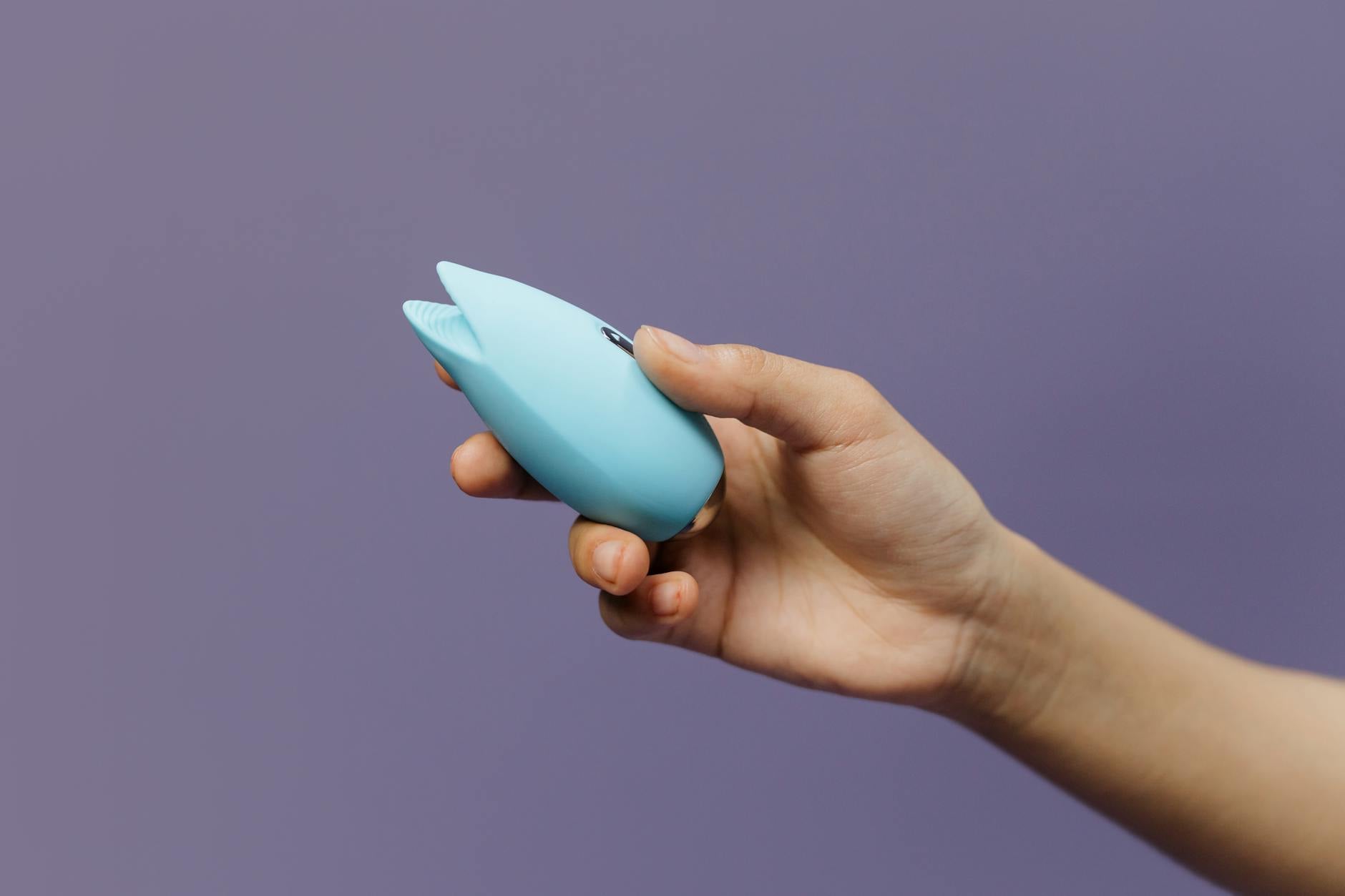
What actually happens when you stop taking birth control
Let's be real. You've probably heard that quitting birth control changes everything about your body. Mood swings, skin, energy, digestion. But nobody tells you that your pleasure often gets dialed up too. That's not coincidence, and it's not just psychological. Your hormones are literally shifting in real time, and your nerve sensitivity responds immediately.
Here's what happens physiologically in the first weeks and months after you stop hormonal contraception.
The hormone rebound effect
Hormonal birth control works by suppressing the natural rise and fall of estrogen and testosterone throughout your cycle. It flattens the curve. Your brain still makes hormones, but the pill, patch, or implant overrides them with synthetic replacements that sit at a steady, predictable level.
When you stop taking it, your pituitary gland wakes up. It starts signaling your ovaries again. Estrogen and testosterone levels spike. This happens over days, not weeks. By the time you have your first period off birth control (usually within two to four weeks), your hormones are swinging like they haven't in months or years.
That swing matters for sensation because both estrogen and testosterone increase blood flow to your genitals. More blood flow means more nerve sensitivity, faster arousal, and often stronger, faster orgasms. This isn't subtle. Many people report that lemon vibrators feel noticeably more intense within the first month.
Why sensation feels amplified specifically
Three things are happening at once.
First, your clitoral tissue becomes more engorged. Estrogen increases vascular permeability, which means blood vessels dilate more easily in response to stimulation. A tool like a lemon clitoral vibrator that uses suction stimulation becomes more effective because there's more erectile tissue to work with. The sensation builds faster and peaks higher.
Second, testosterone rises. This is huge and often overlooked. Testosterone drives sexual desire in everyone with ovaries, and it also increases the sensitivity of nerve endings in the clitoris and vulva. When you stop birth control, your testosterone doesn't just increase. It swings cyclically again, spiking around ovulation. Many people report their most intense responses happen in the few days around ovulation, when testosterone peaks.
Third, your nervous system is no longer suppressed. Birth control doesn't just affect your genitals. It dampens central nervous system response across the board. Some hormonal contraceptives, particularly progestin-heavy ones, can reduce sexual desire and orgasm intensity. It's not a side effect you always notice, but it's there. Once you stop, your parasympathetic nervous system becomes more responsive to stimulation. Your brain processes sensation differently. The same vibrator that felt fine before now feels intense.
The timeline of intensity changes
Week one to two: You might not feel much. Your body is still clearing synthetic hormones. If you were on the pill, these leave your system fairly quickly. If you had an implant or IUD removed, the synthetic hormones linger longer.
Week three to four: This is when most people start noticing changes. A lemon sucker or lemon vibrator that felt average before now feels dramatically more responsive. Arousal builds faster. Orgasms come easier and feel more intense.
Month two to three: Your cycle stabilizes. You'll notice that sensation isn't constant. Around ovulation (usually day fourteen of a typical twenty-eight-day cycle), lemon vibrators and clitoral toys feel strongest. Just before your period, sensitivity might dip. This cyclical variation is normal and signals that your hormones are working again.
Month four and beyond: Your new baseline emerges. The intensity you felt in month two usually persists. You've adapted to it. What felt shocking in week three feels normal by month six. But you'll still notice the ovulation peak, just less dramatically.
How this changes your experience with toys
If you were using a lemon vibrator or other clitoral toy while on birth control, you'll notice immediate practical differences.
You might need to start on a lower intensity setting. What was your comfort level at pattern four on the Lem might now be overwhelming at pattern three. This isn't weakness. Your nerve sensitivity has literally increased. Give yourself permission to dial it back and work back up.
Warm-up time shrinks. Many people find they need less time to build to arousal and orgasm. This can feel like a gift, but it's worth noticing because it changes the pacing of solo and partnered sex. If you're used to a fifteen-minute buildup, you might peak at eight minutes now. That's not a problem. It's just different.
Orgasm intensity often increases dramatically. This is the change most people are hoping for when they quit birth control, and it's usually the real deal. Orgasms often feel deeper, longer, and more full-body. Some people report multiple orgasms feeling more accessible. This settles down slightly after month three, but rarely returns to pre-birth-control levels.
Sensitivity to lubricant changes. Because your natural lubrication increases with higher estrogen, you might find you need less artificial lubricant, or a lighter formula. This is a feature, not a problem. Your body is working more efficiently.
Complications worth knowing about
Not everyone experiences a pleasure boost after stopping birth control. Some people feel more sensitive in ways that aren't fun. Ovarian cysts can cause cramping and discomfort that makes arousal painful. Hormonal acne or mood changes can tank libido. These are real, and they're worth addressing with a healthcare provider.
If you experience pain during stimulation or sex after quitting birth control, don't ignore it. It's often a sign of a cyst or inflammation. Ovarian cysts are common after stopping hormonal contraception and are usually benign, but they hurt. Waiting usually helps. It takes two to three cycles for them to resolve.
If your desire crashes instead of surging, that's also normal for some people. Birth control doesn't always kill desire. Sometimes it's the only thing keeping anxiety or depression at bay. If stopping birth control triggers depressive symptoms, talk to your doctor about adding back a different form of support. Don't just white-knuckle through it.
Working with your cycle intentionally
Once you've stopped birth control, you have a cycle again. Your hormones swing. You can use that intentionally.
If you want the most intense orgasm, explore toys like lemon clitoral vibrators during your ovulation window (typically days twelve through sixteen of your cycle, if you have a regular twenty-eight-day cycle). This is when sensation peaks naturally. You might find that a tool that feels intense right now feels absolutely transcendent during ovulation.
If sensitivity feels overwhelming at certain times, that's your cue to switch methods or take a break. The day before your period, sensation often becomes tender rather than pleasurable. Honor that. You're not broken. Your hormones just shifted.
If you're with a partner, this becomes a conversation. "My body feels different now" is useful information. It's not a complaint. It's data. The lemon vibrator that worked for you both last month might need intensity adjustment this month. That's fine. That's actually a chance to pay more attention.
When to expect things to settle
By month four or five, you're in your new normal. The intensity spike doesn't fade, but it stops surprising you. Sensation becomes predictable again, just at a higher baseline.
Cycles take three to four months to regulate fully. If you had your period every thirty-two days on birth control and now it's every twenty-five days, that might settle in around month four. The sensation changes usually hit faster.
If something feels wrong—pain, no sensation returning, persistent cramping, or mood changes that don't improve—check in with a gynecologist. Quitting birth control is a significant hormonal shift, and sometimes it reveals something that needs attention. That's not a failure. It's just your body telling you it needs support.
FAQ
How long after stopping birth control do lemon vibrators feel different?
Most people notice intensity changes within three to four weeks. This is right around when your first period arrives off birth control. The hormonal rebound happens even faster, but you don't always feel it until arousal actually builds. If you don't notice a difference by week six, you might not. Not everyone experiences a sensation increase. For some people, birth control wasn't suppressing pleasure to begin with.
Will the intensity stay high forever?
Yes, mostly. The dramatic spike in month two usually becomes your new baseline by month four. You stop noticing it as shocking and start experiencing it as normal. But the cyclical variation remains. Ovulation will likely always feel more sensitive than other times of your cycle. That's your hormones working as designed.
What if intensity feels painful, not good?
You might have a cyst or inflammation. This is surprisingly common after stopping birth control. Ovarian cysts typically resolve in one to three cycles. If pain persists or worsens, see a gynecologist. Also consider that you might just need to lower the intensity of toys. Start on the lowest setting and work up slowly. Your body will adjust. Some people also benefit from longer warm-up time even though they need less of it. Paradoxically, slower starts can feel better when sensation is heightened.
Can I use the same lemon vibrator or clitoral vibrator I used on birth control?
Absolutely. You might just need to use it differently. You might start on a lower pattern, take breaks between sessions, or focus on a different stimulation angle. If you want to <a href="/blog/how-to-choose-a-lemon-vibrator-when-youve-never-used-one-before">explore clitoral vibrators with new sensitivity in mind</a>, this is a good time. But your current toy will work. It might just feel more intense.
Does hormone intensity drop again if I restart birth control?
Usually within a few weeks, yes. If you go back on the pill or another hormonal contraceptive, sensation typically returns to what it was before you stopped. The intensity peak fades as synthetic hormones reset your baseline. It's not permanent. This matters if you're thinking about quitting birth control temporarily.
What about other sensation changes I haven't mentioned?
There are dozens. Nipple sensitivity often increases. Skin becomes more sensitive to touch overall. Some people report that they orgasm more easily from penetration (hormone-dependent). Others find that their fantasies shift. These are all normal hormonal effects. If a change feels wrong or painful, mention it to your doctor. If it feels good, enjoy it.
The takeaway
When you stop hormonal birth control, your body doesn't just return to some neutral state. It becomes more hormonally active than it was on the pill. That heightened activity affects every part of sexual response, including how you experience lemon vibrators, clitoral vibrators, and other toys. Most people experience stronger sensation, faster arousal, and more intense orgasms. Some don't. Both are normal. The key is paying attention to what's actually happening in your body rather than what you expected to happen. Then you can adjust your tools, timing, and approach to match your new reality.
If you're navigating changes in sensation or arousal after a major life shift, talking through it with a partner or therapist can help you understand what's body, what's psychology, and what deserves medical attention. That conversation is always worth having.
Questions about how your body is responding to changes? Reach out at <a href="/contact">hello@hellonancy.com</a>. We're here to help.