Here's the thing about stress and pleasure
You're not losing your sex drive. Your nervous system is literally shutting it down. When you're anxious, cortisol and adrenaline flood your body, triggering the fight-or-flight response. That response has exactly one mission: survival. Pleasure gets deprioritized immediately.
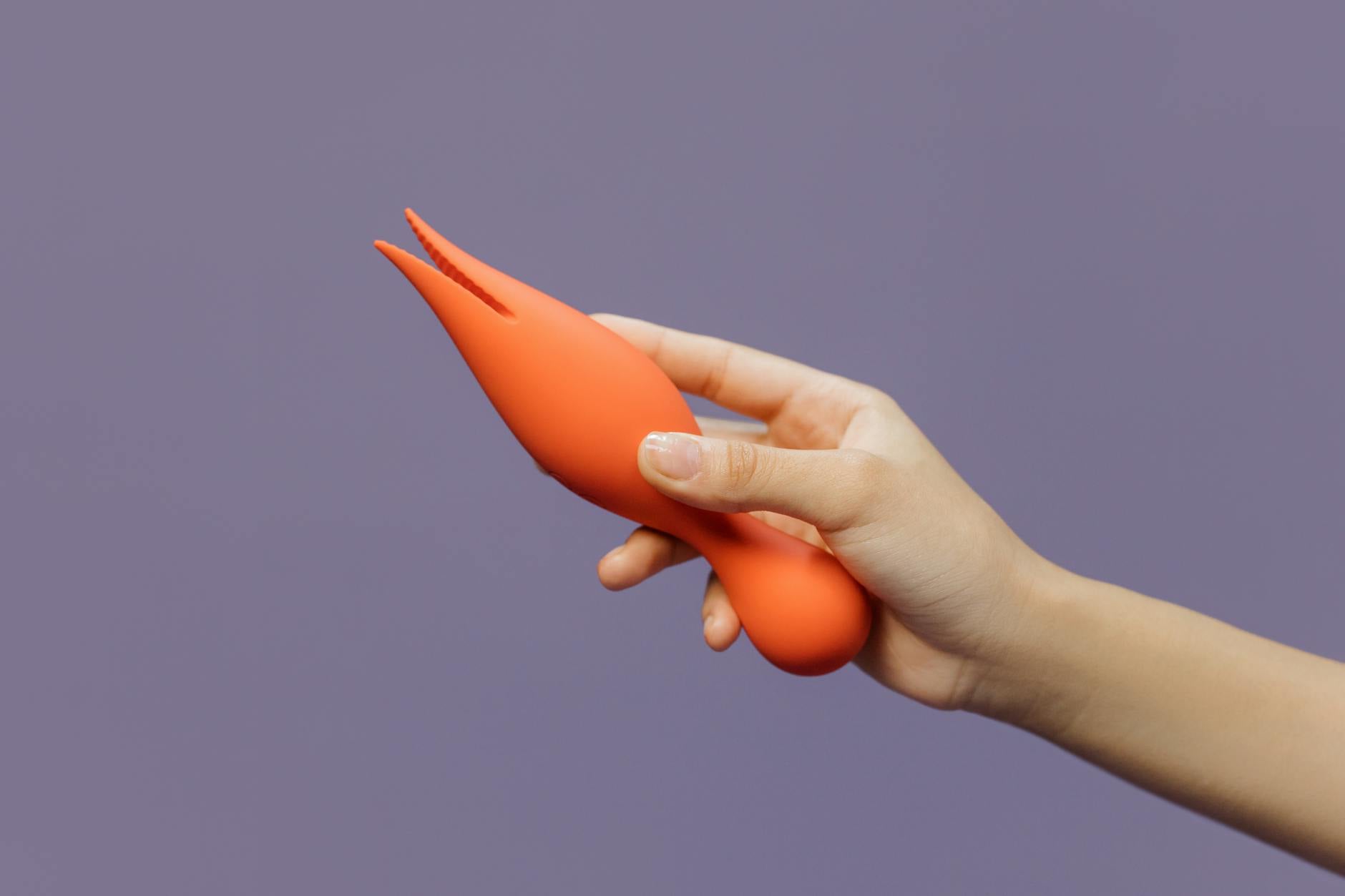
This explains why your lemon vibrator might feel less effective when you're stressed, why you need longer warm-up time, or why you're reaching for it expecting fireworks and getting a gentle hum instead. It's not the device. It's your body's threat-detection system working exactly as designed, just at the wrong moment.
The frustrating part? Knowing this doesn't automatically fix it. But understanding the mechanism helps. Let me walk you through what's actually happening and what helps.
How anxiety rewires arousal in real time
Arousal is supposed to follow a predictable chain. Stimulus arrives. Your parasympathetic nervous system (the "rest and digest" part) activates. Blood vessels dilate. Sensation sensitivity increases. Your body gets ready for pleasure.
Anxiety interrupts every single step. Here's why.
When cortisol is high, your sympathetic nervous system is dominant. Blood stays in your core muscles and extremities, primed for running. Clitoral tissue stays less engorged. Lubrication decreases. The vulva becomes less responsive to touch, vibration, or suction from a lemon vibrator. It's not a personal failing. It's physiology.
The kicker: this happens below conscious awareness. You might want pleasure. You might be totally present mentally. But your body is saying "sorry, not safe right now," and your body wins that argument every time.
Anxiety also narrows attention. You start monitoring yourself mid-session. "Is this working yet?" "Why isn't this working?" "What's wrong with me?" That internal commentary kills arousal faster than anything else. Now you're not present with sensation. You're present with self-doubt.
Why lemon vibrators can feel less intense when stress is high
Let me be specific about the lemon clitoral vibrator experience under stress. The Lem uses gentle suction to stimulate the clitoral complex. That mechanism depends on adequate blood flow and tissue responsiveness to create the seal and sustain sensation.
When cortisol is elevated, you lose both of those things. Your clitoral tissues remain less engorged. The suction might feel weaker because there's less tissue engagement. You might need to experiment with higher intensity settings, but here's the problem: turning up the intensity can feel overwhelming to an already-activated nervous system. So you're stuck.
You might also notice that normally-perfect patterns feel too intense or too soft. Your nervous system's threshold for stimulation genuinely changes. This is why people often report that their favorite settings are completely different on high-stress days versus baseline.
What happens to your body under chronic stress
Acute stress (one rough day, a single argument) creates temporary arousal disruption. Your nervous system recalibrates once the threat passes. Chronic stress is different.
When anxiety is ongoing, your body lives in a semi-activated state. Cortisol becomes your baseline. Over weeks or months, this changes how your nervous system responds to everything, including sexual stimulation. Some people report that lemon vibrators just feel blunted overall. Others find that arousal builds very slowly, if at all.
Chronic stress also tanks desire at the motivation level. You might not want to use a vibrator because anxiety depletes dopamine and motivation feels impossible. That's not laziness. That's neurochemistry.
Pelvic floor tension often follows chronic stress too. Why Lemon Vibrators Feel Different With Pelvic Floor Tension covers this in detail, but the short version: stress makes you clench. A clenched pelvic floor reduces sensation and makes suction-based devices feel less effective.
The stress-arousal feedback loop
Here's where it gets tricky. You reach for your lemon vibrator because you're stressed and want to feel good. The vibrator doesn't work as well because you're stressed. You feel frustrated that it's not working. That frustration increases your stress. Your nervous system stays activated. Next time you try, same problem.
You've just created a loop where stress blocks pleasure, and the blocked pleasure creates more stress. This is why "just relax" advice is so useless. You can't relax your way out of fight-or-flight. You have to actually shift your nervous system state first.
What actually helps reset your nervous system
Forgot the vibrator for a moment. Your job is to move out of sympathetic activation.
Deep breathing works, but not the way people usually do it. Short, shallow breathing keeps you in fight-or-flight. You need slow, prolonged exhales. Breathe in for a count of 4. Exhale for 6 or 8. Do this for 2-3 minutes. This signals safety to your vagus nerve, which controls the parasympathetic brake.
Movement helps too, but again, specific movement. Gentle walking, stretching, or low-intensity yoga shifts your nervous system more effectively than intense exercise, which can feel like another threat to an already-activated body.
Physical touch from a partner (if you have one and want it) can help, but only if the touch feels safe. Pressure on your arms, back, or shoulders can activate the parasympathetic system. This is why cuddling sometimes feels better than sex when you're anxious.
Time matters. Anxiety doesn't resolve in 5 minutes. Budget 20-30 minutes of calm-building before you expect pleasure to work.
How to use lemon vibrators when anxiety is present
If you're going to engage with a lemon clitoral vibrator while stressed, lean into these adjustments.
Start lower intensity than you normally would. Intensity that feels amazing on a calm day can feel overwhelming when your nervous system is activated. Begin on pattern 1 or 2 and stay there longer. Let your body acclimate.
Extend your warm-up significantly. Most guidance says 10-15 minutes. Under stress, consider 25-30 minutes of gentle touching, without the vibrator initially. Let your nervous system gradually recognize that this is safe and pleasurable, not another demand.
Use longer, slower strokes. Rapid sensation can feel jarring to an activated nervous system. Try slower patterns on the Lem, or use external stimulation first before introducing the device.
Drop the performance mindset entirely. You're not trying to orgasm. You're not trying to prove anything works. You're exploring sensation and letting your body remember that pleasure is possible. Orgasm might not happen, and that's completely fine.
Consider partnered use if you have a partner. Sometimes the safety cue of another person's presence helps your nervous system settle. How to Introduce Lemon Vibrators to a New Partner Without Awkwardness has some logistics if this is new territory.
When stress relief comes first
Honestly, if your stress is high, the vibrator might not be the answer right now. Sometimes the most loving thing you can do for yourself is pause the pleasure project and address the anxiety first.
This might mean: talking to a therapist, adjusting medication, making schedule changes, having difficult conversations with your partner, or getting professional help for anxiety or depression. These aren't sexy fixes. They're foundational. You can't restore pleasure while operating in constant threat mode.
If anxiety is ongoing and untreated, no vibrator is going to fix it. But addressing the anxiety will eventually make lemon vibrators feel like they did before the stress arrived.
FAQ
Can anxiety permanently damage my ability to feel pleasure?
No. Your nervous system is plastic. It can recalibrate. Once you address the anxiety, arousal usually returns to baseline. Some people report that their pleasure actually deepens after working through anxiety, because they're no longer operating under unconscious threat.
Why does my lemon vibrator work fine some days and feel useless other days?
Your nervous system state changes day to day. Stress levels fluctuate. Sleep quality varies. Hormones shift. Any of these can change how responsive your body is to the Lem or other clitoral vibrators. This is normal and doesn't mean anything is wrong with you or the device.
Should I use a vibrator while actively anxious, or wait until I'm calm?
If you're in acute anxiety (panicking, racing thoughts, physical tension), wait. Give yourself 30 minutes to calm down first. If you're moderately anxious but present, a vibrator can be part of calming down, but adjust your expectations. You're not chasing orgasm. You're exploring gentle sensation.
Does anxiety affect all vibrators the same way, or is the Lem different?
Anxiety affects your body's response, not the vibrator itself. That said, suction-based devices like the Lem depend on tissue engagement, so reduced blood flow under stress is particularly noticeable. Traditional vibrators might feel slightly less impacted because they don't rely on suction, but the underlying nervous system issue is the same.
Can my partner help reduce my anxiety during sex?
Yes, if the relationship feels safe. Emotional safety is foundational. If your partner makes you feel heard, respected, and unhurried, their presence can help your nervous system settle. If the relationship itself is a source of stress, that's a different conversation (and might be worth exploring with a therapist).
What's the difference between normal stress and anxiety that needs professional help?
Normal stress is situational and passes. Professional anxiety is persistent, interferes with daily life, and doesn't resolve when the stressor goes away. If anxiety is affecting your sleep, relationships, work, or pleasure regularly, talking to a therapist or doctor is the move. This isn't weakness. It's maintenance.
You're not broken. Your system is just protecting you.
Stress rewires arousal. Anxiety blocks pleasure. That's not a personal failure. That's your body doing exactly what it evolved to do. The path back isn't forcing yourself through another failed vibrator session. It's addressing the underlying stress, rebuilding safety, and letting your nervous system remember that pleasure is possible again. Give yourself that grace.