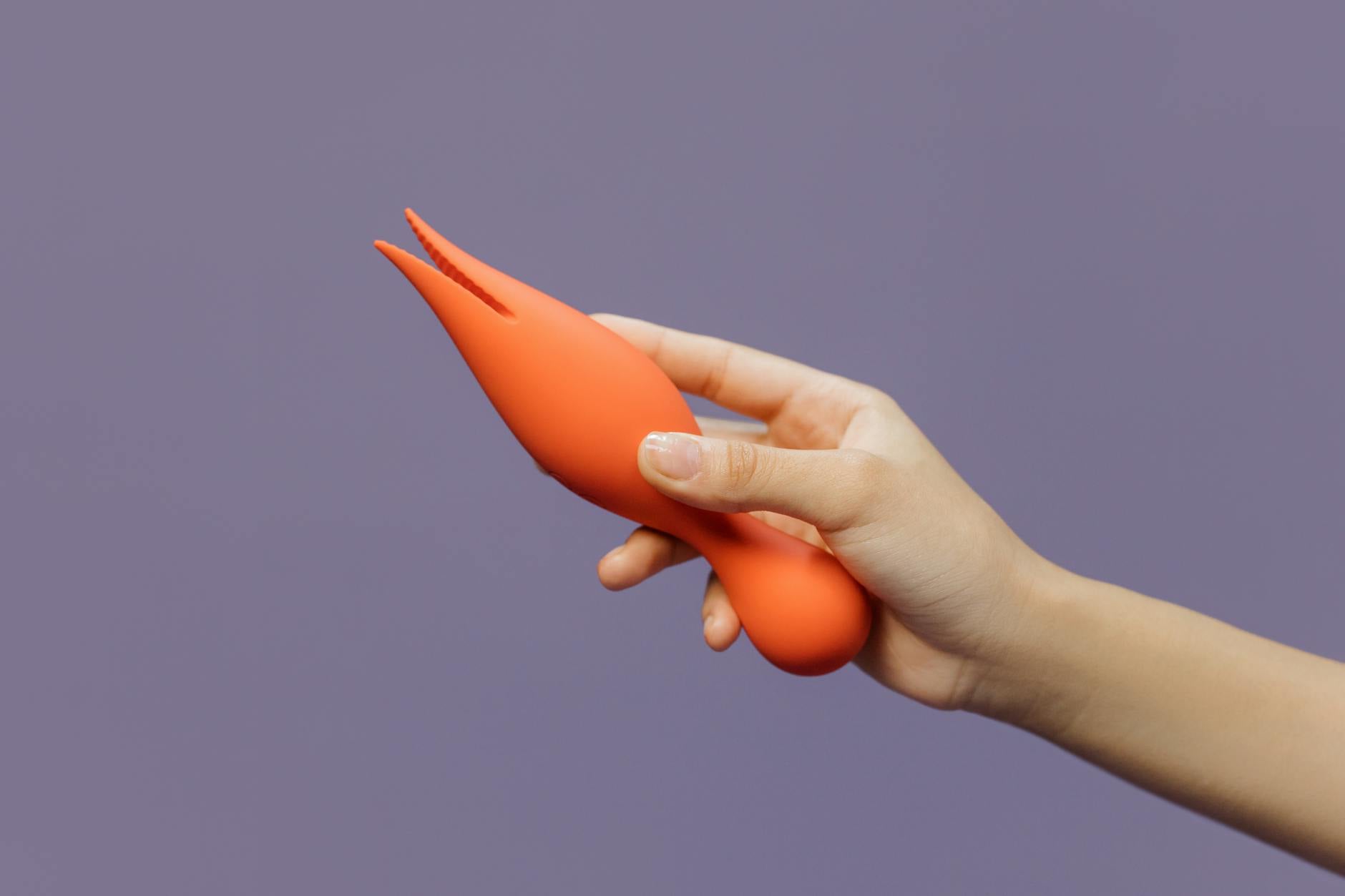
Why Lemon Vibrators Feel Different When You Switch Birth Control Pills
Let's be real. You've probably noticed that switching birth control does weird things to your body. Your mood shifts. Your skin either clears up or breaks out. Your appetite changes. And then there's the thing nobody talks about in the pharmacy line: your entire pleasure response gets rewired.
The thing is, this isn't subtle. When you swap pills—whether you're moving from a high-dose estrogen formulation to a lower one, switching progestin types, or quitting hormonal contraception altogether—your clitoral sensitivity, arousal speed, lubrication, and orgasm intensity can all shift noticeably. Your lemon vibrator didn't change. Your body did. And understanding why matters, because it's not a sign something's wrong. It's just biology being biology.
How birth control reshapes your neurochemistry
Here's the mechanism. Hormonal birth control works by maintaining steady levels of synthetic estrogen and progestin. This flatlines your natural cycle—no ovulation spike, no luteal phase crash. Sounds straightforward. But your body has a whole arousal apparatus built on hormonal fluctuation.
Estrogen affects dopamine and serotonin regulation. It increases blood flow to genital tissue. It thickens the vaginal lining and enhances lubrication. Progestin does something different. Certain progestins (like desogestrel or norgestimate) have a mild androgenic effect, meaning they can slightly boost desire and clitoral sensitivity. Others are more neutral. When you switch pills, you're changing the ratio of these hormones and their metabolic pathways through your system.
The result? Your clitoris is getting a different chemical signal. Blood flow patterns shift. Nerve sensitivity adjusts. Some people report their clitoris becomes more responsive. Others feel a temporary desensitization or a flattening of arousal. This is normal. It's also temporary if you give your body 2-3 months to adapt—though some changes stick around.
The four most common shifts when you switch
Arousal takes longer to build. Low-dose pills (like Yaz or Lo Loestrin Fe) contain less estrogen than older formulations. Lower estrogen can mean reduced dopamine activation, which is the key neurotransmitter for sexual motivation and arousal acceleration. You might find yourself needing 20 minutes of stimulation instead of 10. This is why how lemon vibrators help when you need extended arousal time resonates with so many people who've recently switched.
Clitoral sensitivity becomes unpredictable. During the first week of a new pill, your clitoral tissue is literally responding to a new chemical environment. For some, this means hypersensitivity (direct stimulation feels too intense). For others, it means numbness (you need more pressure to register pleasure). The lemon vibrator's suction mechanism is particularly useful here because you can adjust intensity without changing tools. Start at setting 1 and wait a full week before increasing.
Lubrication dries up or improves. Estrogen maintains vaginal moisture. Switching to a lower-dose pill can reduce natural lubrication noticeably within days. Switching to a higher-dose pill often reverses that. Water-based lubricant becomes essential during transition periods, not because something's wrong, but because your mucosal tissue is adapting.
Orgasm intensity flattens or sharpens. This is the weirdest one. Some people report their orgasms become less intense on new pills. Others—especially those switching from high-dose pills—report the opposite: sharper, more focused climaxes. This likely relates to how different progestins interact with neurotransmitter availability and pelvic floor muscle tone.
Why the lemon vibrator works during contraceptive transitions
The lemon's suction-based mechanism is particularly forgiving when your arousal response is in flux. Here's why: traditional vibrators rely on consistent clitoral sensitivity. If your tissue is hypersensitive during the first week of a new pill, a high-frequency buzzing vibrator becomes uncomfortable. If you're experiencing numbness, you need more force than a standard vibrator safely delivers.
Suction works differently. It creates a gentle seal around the clitoral glans and applies rhythmic pressure rather than percussion. This means you get stimulation without sharp, irritating frequency. You can start at the gentlest setting and gradually increase as your tissue adapts. For most people, this creates a more predictable pleasure response during hormonal transition than traditional clitoral vibrators.
The timeline: what to expect in the first three months
Week one is chaos. Your body is processing a new hormonal load. Clitoral sensitivity might spike or crash. Arousal feels sluggish or overly eager. This is the hardest week. Use your lemon vibrator if it feels good, skip it if it doesn't. No pressure.
Weeks two and three bring adaptation. Your pituitary gland stops trying to produce FSH and LH (your natural cycle hormones). Your body begins metabolizing the new synthetic hormones consistently. Arousal starts normalizing. Clitoral sensitivity settles into a new baseline. This is when you'll start to notice patterns. "Oh, I need more time to warm up now" or "This setting feels perfect whereas before it felt overwhelming."
Weeks four through twelve are stabilization. By week six, most people have adjusted to new arousal patterns. By week twelve, you're at your new baseline. If something still feels off at that twelve-week mark, mention it to your doctor. Sometimes a different formulation or pill type makes a bigger difference than the standard advice suggests.
What to actually change about how you use your lemon vibrator
First, give yourself permission to rebuild your response from scratch. Your previous preferences—the patterns you knew, the intensity level that worked—might not apply anymore. This isn't a failure. It's just recalibration.
Start low and slow. Begin at setting one, even if you usually start at four or five. Spend time here. Let your tissue adapt to the sensation. Most people find that after a week or two at lower settings, their sensitivity normalizes and they naturally increase intensity.
Lubricate more generously during the transition. Even if you normally don't need it, water-based lube becomes your friend when you're switching pills. It reduces friction that might feel sharp against newly sensitized tissue and makes low-intensity stimulation feel more pleasurable.
If you're switching from high-dose to low-dose pills, budget extra warm-up time into your pleasure sessions. You're not broken. Your dopamine and blood-flow response is just moving at a different speed. Fifteen to twenty minutes is normal during the first month.
If you're switching to a pill with a progestin that has androgenic properties, you might find your arousal snaps back faster than before. This is great. It doesn't mean you need to skip warm-up entirely, but you might find you need less coaxing than you did on your previous pill.
The partner conversation, if you want it
If you share pleasure with a partner, the honest conversation here is: "My body is on a new chemical signal right now. My arousal is unpredictable for the next few weeks." That's the whole thing. You don't owe explanation or apology. Your body isn't failing. It's adapting.
Many people find it easier to explore solo pleasure first when switching pills. You're learning your new arousal map without the added pressure of someone else's expectations or rhythm. How to use lemon vibrators when you want to explore without a partner present offers more context on building confidence during this phase.
When to check in with your doctor
If your arousal hasn't stabilized after three months, mention it. If clitoral pain appears—sharp, shooting, or persistent aching—that's worth a conversation too. Sometimes switching pills surface underlying pelvic floor tension or nerve sensitivity that you didn't notice before. A pelvic floor physical therapist can help.
If your libido has completely tanked and stayed tanked past the twelve-week mark, the pill itself might not be the right fit for your neurochemistry. Some progestins suppress desire more than others. Different pills, different effects.
The key thing: your pleasure response adapting to new contraception is normal. Giving yourself time and grace during that adaptation is necessary. Your lemon vibrator isn't the problem, and neither is your body. You're just learning to speak the same language again.
FAQ: Birth Control, Pleasure, and Lemon Vibrators
How long does it take for pleasure sensitivity to return to normal after switching birth control?
Most people stabilize within 6 to 12 weeks. The first 2 to 3 weeks are typically the most disruptive. After that, your body begins to regulate and your arousal response settles into a new pattern. Some shifts are permanent (a different pill might always give you slightly different sensitivity), while others reverse if you switch back. Keep notes on what feels different so you can track your own pattern.
Can switching from hormonal to non-hormonal contraception affect how lemon vibrators feel?
Absolutely. If you're stopping the pill entirely, your body returns to its natural hormonal cycle. This means your clitoral sensitivity will fluctuate throughout your cycle again, unlike the flatlined sensitivity you had on hormonal contraception. Many people report heightened arousal and orgasm intensity during ovulation after quitting the pill. Your lemon vibrator might feel perfect one week and too intense the next. This is expected.
Does switching to a lower-dose pill always reduce clitoral sensitivity?
Not always, but it's common. Lower-dose pills (under 20 micrograms of ethinyl estradiol) contain less circulating estrogen, which can dull clitoral responsiveness. However, some people experience the opposite. The progestin type matters. A pill with a progestin that has androgenic activity might maintain or even increase clitoral sensitivity despite lower overall estrogen. Your personal response depends on your specific neurochemistry.
Should I stop using my lemon vibrator while I'm adjusting to a new pill?
No. In fact, continuing to use your lemon vibrator during the transition helps you map your new arousal response. You're gathering data about what feels good now, not what felt good before. Start at lower intensities and work up as your body adapts. This is actually the perfect time to explore the deeper settings you might not have tried previously.
What if my clitoris feels numb on a new pill?
This is temporary in most cases. Your tissue is adjusting to new hormonal signaling. Give it at least three to four weeks before concluding anything. In the meantime, take longer warm-up time, use lubricant generously, and start at the gentlest setting of your lemon vibrator. If numbness persists past week eight, contact your prescribing doctor. Sometimes a different formulation resolves it.
Can birth control pills affect orgasm intensity, and is that something a lemon vibrator can help with?
Yes, birth control directly affects orgasm intensity through neurotransmitter regulation and blood flow patterns. Some pills flatten orgasmic response, others enhance it. A lemon vibrator can help because its suction mechanism creates more consistent clitoral pressure than traditional vibrators, which may intensify or stabilize orgasmic response as your body adjusts to new hormones. Give yourself the full three-month adjustment period before concluding anything about your new baseline.
Switching birth control isn't just a medical decision. It's a pleasure recalibration. Your lemon vibrator isn't the problem when things feel different. Your body is just learning to feel pleasure on a new chemical frequency. Understanding that removes the shame and replaces it with curiosity. Explore it. Adjust as needed. You'll find your new rhythm.