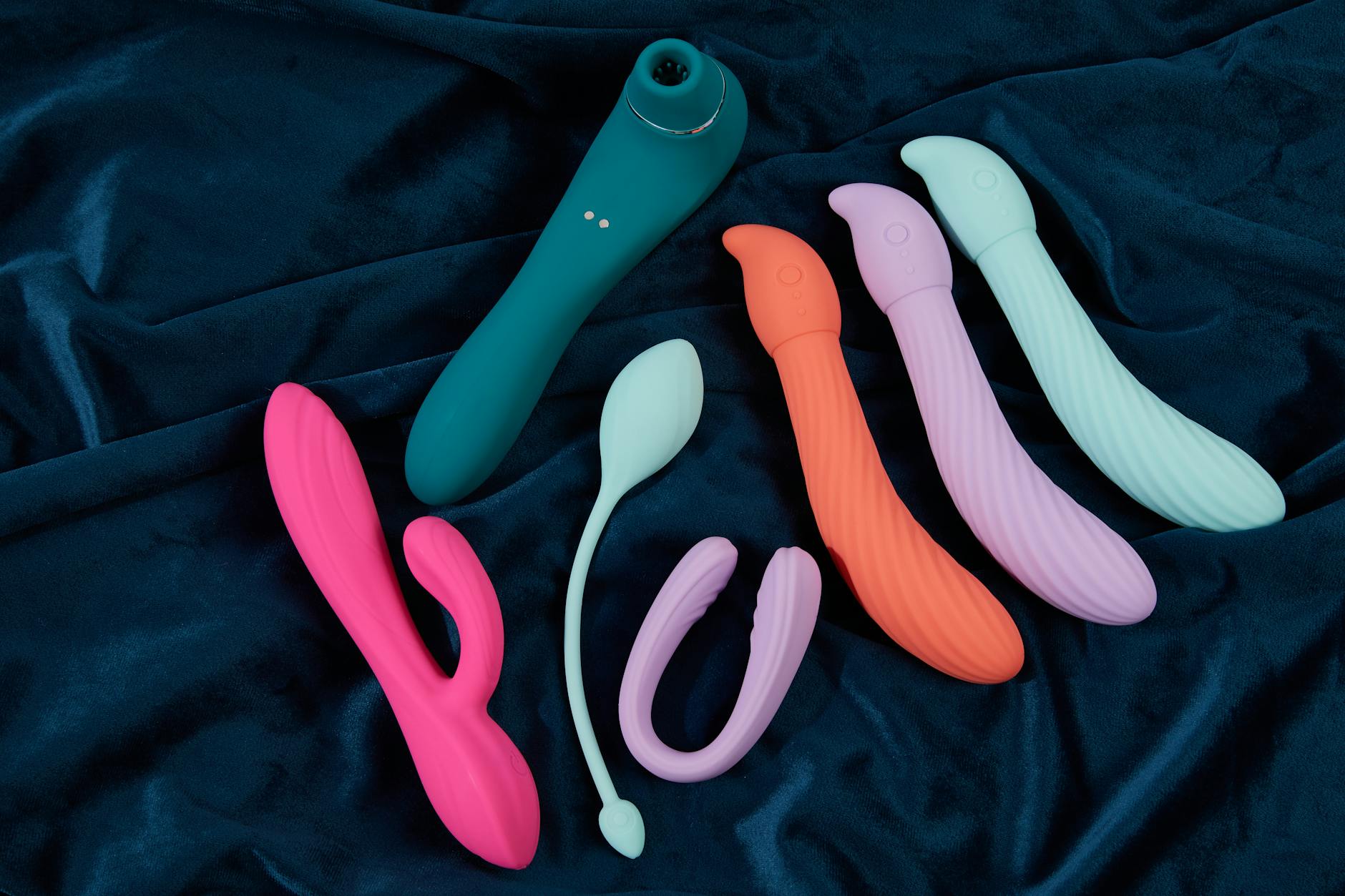
If you've been using lemon vibrators or any clitoral vibrator for a while and suddenly the sensation feels muted, less thrilling, or like you need a longer session to reach orgasm, you might blame the toy. You might think the motor is weaker or the suction design isn't clicking anymore. But here's what's actually happening: your hormones have shifted, and they're affecting how your nervous system experiences stimulation.
Hormonal birth control changes the game for pleasure in ways that rarely get discussed outside of clinical settings. Understanding that connection can save you from buying a new toy when what you really need is a recalibration strategy.
Hormonal birth control works by suppressing your natural hormone cycle. Pills, patches, rings, and hormonal IUDs all dial down estrogen and progesterone fluctuation. That stability is why they're reliable for preventing pregnancy. But the same mechanism that makes them effective also reduces testosterone, which plays a critical role in clitoral sensitivity and desire across all bodies.
When testosterone drops, several things happen simultaneously. First, blood flow to the clitoris decreases slightly. The clitoris becomes engorged when you're aroused, and that engorgement is what makes sensation sharper. Less blood flow means less dramatic engorgement, which means the same vibration pattern on a lemon vibrator feels... softer.
Second, neural sensitivity shifts. The clitoris has thousands of nerve endings, and testosterone influences how responsive those nerves are to stimulation. Lower testosterone doesn't mean numbness. It means the signal takes longer to register as intensely pleasurable. You might still reach orgasm on your lemon clitoral vibrator, but the pathway feels more muted.
Third, arousal itself slows down. Hormonal contraceptives reduce the hormonal surges that typically trigger spontaneous desire and physical readiness. What used to happen in 5 minutes might now take 15. That slower ramp affects how the sensation builds and compounds.
If you started lemon vibrators before hormonal birth control, or switched methods recently, you might notice the experience has flattened. The sensation that used to feel almost urgent now feels pleasant but mellow. Some people describe it as watching pleasure through frosted glass. You can see it's there, but the edges aren't sharp.
This is not a psychological effect. This is not you getting bored with the toy. Clinical studies on hormonal contraceptive users show measurable decreases in genital sensation, arousal response time, and orgasm intensity compared to baseline. Hello Nancy's lemon vibrators work exactly the same way they did before. Your hormones are the variable that changed.
The gap is real enough that some users report needing to switch from a lower suction setting on their lem vibrator to a higher one. Others find that pattern combinations that used to drive them wild now feel repetitive. A few people tell me they've abandoned their lemon clitoral vibrator entirely, thinking it stopped working, when the actual problem was the medication working exactly as intended.
If you just started hormonal contraceptives in the last 1 to 3 months, the intensity drop you're noticing might get worse before it stabilizes. Hormones take time to find a new equilibrium. Your body is adjusting to a baseline it's never experienced before.
During this adjustment window, the sensation shift is most pronounced. Some people report that by month 4 or 5, they've adapted psychologically even if the physiological change remains. Others find that their pleasure response stabilizes at a new normal that feels acceptable.
The key is not to panic and assume the problem is permanent or the toy's fault. Many users find their preferred intensity settings shift slightly, but the capability for pleasure doesn't disappear.
If your lemon vibrator experience has flattened, here are the adjustments that help most:
Extend your warm-up time intentionally. Build in a longer arousal phase before you use your lemon clitoral vibrator. Take 20 to 30 minutes instead of 10. This gives your body time to accumulate the blood flow and neural activation that hormonal contraceptives slow down. The longer runway allows sensation to build toward the intensity you're used to.
Start on a higher suction setting than you used to. If you were comfortable on pattern 2 before, try starting at pattern 3 or 4. Your tissue sensitivity hasn't changed, but the signal strength needs adjustment. You're not hurting yourself. You're matching the stimulation intensity to your current neurological baseline.
Switch from occasional to regular use. This sounds counterintuitive, but consistent use of your lem vibrator actually helps maintain or recover clitoral engorgement and blood flow. Users who use their lemon vibrators 2 to 3 times weekly report sharper sensation than those who use them sporadically. Frequency matters more than intensity when you're working with hormonal suppression.
Layer sensations. Use your lemon clitoral vibrator in combination with manual stimulation, fantasy, or partnered touch. The brain is part of the pleasure system. When sensation from the vibrator is less urgent on its own, external input helps the whole experience feel more vivid. This also explains why many hormonal contraceptive users report that partnered sex feels more connected even if solo sensation feels muted.
Hormonal contraceptives don't just change physiology. They flatten the hormonal peaks that fuel anticipation, fantasy, and spontaneous arousal. If you've noticed that you're less likely to think about sex throughout the day, or that fantasies feel less gripping, that's not depression. That's your reproductive hormones being suppressed exactly as designed.
This has a compounding effect on sensation. Pleasure is not purely physical. The mind's investment shapes how intensely the body registers touch. When your hormones aren't fueling constant low-level anticipation, your mental state during pleasure is often calmer. Calmer can feel like less intense, even if the vibration is identical.
Some users find that deliberately creating mental stimulation (erotica, audio, conversation with a partner) before using their lemon vibrators helps restore the intensity gap. Others discover that the slower burn is actually better for them and they don't want to recalibrate at all.
There's a difference between the normal sensation shift from hormonal contraceptives and a sign that something else is wrong. If you're experiencing complete numbness, pain, or a sudden drop that happened overnight rather than gradually, talk to your doctor or gynecologist.
Some medications interact with hormonal contraceptives in ways that deepen the effect. Antidepressants, for example, can amplify the pleasure-dampening effect of birth control. If you started an antidepressant around the same time your lemon vibrator started feeling less responsive, that combination might be the real culprit.
Also check whether you've switched birth control types. The hormonal dose and ratio varies significantly between pills, patches, rings, and hormonal IUDs. A shift to a lower-dose option might explain a more dramatic sensation change. Your prescriber can help you figure out whether a different formulation might preserve more of your baseline pleasure response.
You don't have to choose between contraception and pleasure. But you do have to adjust your expectations and your technique. The lemon vibrators that work best for bodies on hormonal contraceptives are the ones with variable settings and patterns, so you can experiment with what actually registers at your current baseline.
If you're considering switching off hormonal contraceptives because of pleasure changes, that's a bigger decision that deserves a full conversation with your healthcare provider. But if you're staying on them, the intensity loss is manageable and temporary. Your body will adapt. Your lemon clitoral vibrator will still deliver pleasure. It just might require you to be more intentional about the setup.
No. The sensation shift is real while you're taking hormonal contraceptives, but it's not permanent. If you stop taking birth control, your testosterone and estrogen levels bounce back within a few cycles, and clitoral sensation typically returns to baseline. The change is reversible.
Yes, this is the most practical adjustment. Most users on hormonal contraceptives find that switching to a higher suction setting or a more intense pattern on their lem vibrator recreates the sensation they were used to. The toy itself hasn't changed. Your nervous system has.
Not necessarily. Before you invest in a new toy, try the recalibration strategies above. Extended warm-up, higher settings, and consistent use solve the problem for most people. A more powerful vibrator might help, but often you're just working with the tool you already have.
No. The effect varies depending on the hormonal dose and ratio. Lower-dose pills often cause less sensation dampening than standard-dose formulations. Hormonal IUDs like the Mirena suppress hormones locally, so some users report less impact on pleasure compared to systemic contraceptives. Your prescriber can discuss which option might preserve more of your baseline response.
Yes. Longer foreplay, higher suction settings on their lemon vibrator, and reducing time pressure all help. Also, understand that their desire might feel flatter and not take it personally. This is a known hormonal effect, not a reflection of attraction. Supporting them through recalibration makes pleasure more achievable for both of you.
No. Some people notice almost nothing. Others feel a dramatic shift. It depends on your baseline hormone sensitivity, the specific formulation you're using, and individual neurology. There's no universal experience, which is why experimentation with your own lemon clitoral vibrator matters more than general advice.