
Why Lemon Clitoral Vibrators Feel Different When Stressed and Fatigued
Let's be real. When you're stressed, even your favorite lemon clitoral vibrator feels muted. Like you're operating at 40% sensitivity instead of full capacity. Your brain knows the toy should feel good. Your body isn't cooperating.
This isn't a sign that something's broken. It's exactly how stress works on arousal. The problem is that most conversations about libido during stressful periods focus on your emotional desire. Nobody talks about what happens to physical sensation itself.
The stress response shuts down arousal before you feel it
When you're under chronic stress, your nervous system camps out in sympathetic mode. That's the fight-or-flight branch. Your body is actively allocated toward threat detection, cortisol production, and muscle tension. Meanwhile, the parasympathetic nervous system, which handles rest and sexual response, gets benched.
This isn't metaphorical. Here's what actually happens at the tissue level. Blood flow to the clitoris decreases. Vaginal lubrication slows. The sensory nerve endings in the vulva become less responsive to stimulation because your central nervous system is literally filtering out non-essential signals. When your brain is running a stress protocol, gentle suction from even the best lemon vibrator feels distant.
You can be holding your favorite toy in the right spot and experience almost nothing. That's not a failure of the toy. That's neurobiology.
Why lemon suction toys are especially affected by arousal flatness
Clitoral suction toys like the lemon vibrator create pleasure through sensation layering. The initial gentle pull wakes up the surrounding tissue. The pulse pattern then builds on that awakened state. Each intensity level hits harder because the foundation was already established.
When your nervous system is in stress mode, that foundation never gets established. The first sensation feels muted, so the second doesn't build on it the way it should. You end up chasing intensity. You skip past the subtler patterns. Nothing lands the way it normally does.
This is different from what happens on antidepressants or hormonal birth control, where sensation is dampened but still present. Stress-related arousal flatness can feel like total numbness.
The cortisol-desire connection is stronger than you think
Cortisol, your main stress hormone, actively suppresses dopamine and norepinephrine production. Those are two of the three neurotransmitters that fire during arousal. When you're running high cortisol for weeks or months, your brain chemistry shifts. You're not choosing not to feel pleasure. Your neurochemistry is literally less equipped to generate it.
Here's the frustrating part. This happens before you even consciously register that you're stressed. You can be telling yourself "I'm managing fine," while your cortisol is running at competition levels and your arousal capacity is in the basement.
Many of my clients describe it like this. They sit down with their lemon clitoral vibrator with genuine intent and interest. The physical response just doesn't show up. That gap between desire and sensation is where the frustration really lives.
Fatigue amplifies the disconnect
Stress usually travels with its best friend, fatigue. And fatigue does something different to arousal than acute stress does.
Stress floods your system with cortisol. Fatigue depletes it. Your nervous system is exhausted. You don't have the energy for the parasympathetic activation that pleasure requires. It's like trying to run a video game while your computer is already at 90% CPU usage. The system just doesn't have spare processing power.
When you're fatigued, sensation might not feel muted so much as unreachable. Like you can sense the vibration, you know it's there, but you can't quite plug into it emotionally. Your lemon vibrator is working. Your body isn't in the game.
How to actually reconnect when life is chaotic
First, stop forcing it. The goal is not to have an orgasm right now. The goal is to rebuild the baseline nervous system regulation that pleasure depends on.
Start with non-sexual touch. A 20-minute walk. A hot bath. Whatever genuinely feels restorative to you, not what you think should relax you. Your nervous system has opinions. Listen to them. These are parasympathetic resets that don't involve any performance pressure.
Then, when you use your lemon clitoral vibrator again, go backward. Start at the lowest setting. The one you'd normally skip. Stay there for three to five minutes even if it feels subtle. You're rewaking your nervous system's ability to notice sensation. That's the point.
If you have a partner, tell them what's happening. "I'm stressed right now and sensation feels really muted. I'm not trying to have an orgasm. I'm just reconnecting." That removes the invisible expectation that can turn an arousal issue into a relationship issue.
The sleep-stress-libido triangle is real
Honestly though, the single most powerful intervention is sleep. Not candles, not setting the mood, not better toys. Sleep.
When you're getting five or six hours a night for weeks, everything downstream from that crashes. Your cortisol regulation gets worse, not better. Your dopamine production drops. Your nervous system stays stuck in partial threat mode.
If you're stressed and fatigued, adding a 90-minute effort to have great sex might feel impossible. Prioritizing an extra hour of sleep feels more doable. And that extra hour genuinely rebuilds more libido capacity than weeks of trying harder at intimacy.
Movement matters more than you'd expect
This sounds like a fitness influencer talking point, but it's actually neurobiology. Aerobic exercise directly reduces cortisol. It increases dopamine. It helps your nervous system shift out of sympathetic mode.
You don't need to train for a marathon. A 30-minute walk most days, or 20 minutes of whatever movement actually feels good to you, changes your baseline stress level. Not immediately. But within two to three weeks, you'll notice sensation returning.
People often report that their lemon vibrator suddenly feels "right" again after they've restored some basic movement practice. Not because the toy changed. Because their nervous system downshifted.
When to suspect something else is happening
If you've addressed sleep, stress, and movement, and sensation still feels completely flat after four to six weeks, talk to a doctor. Sometimes low libido from stress masks something else. Low iron. Thyroid dysfunction. Depression that's operating below your emotional awareness.
There's also a difference between muted sensation and pain. If your lemon clitoral vibrator is causing discomfort when stressed, that's worth mentioning to a healthcare provider. Stress can exacerbate tension patterns that need attention.
Reconnecting with pleasure during stressful seasons isn't about willpower. It's about creating conditions where your nervous system can actually participate. That means sleep, movement, genuine rest, and patience with yourself.
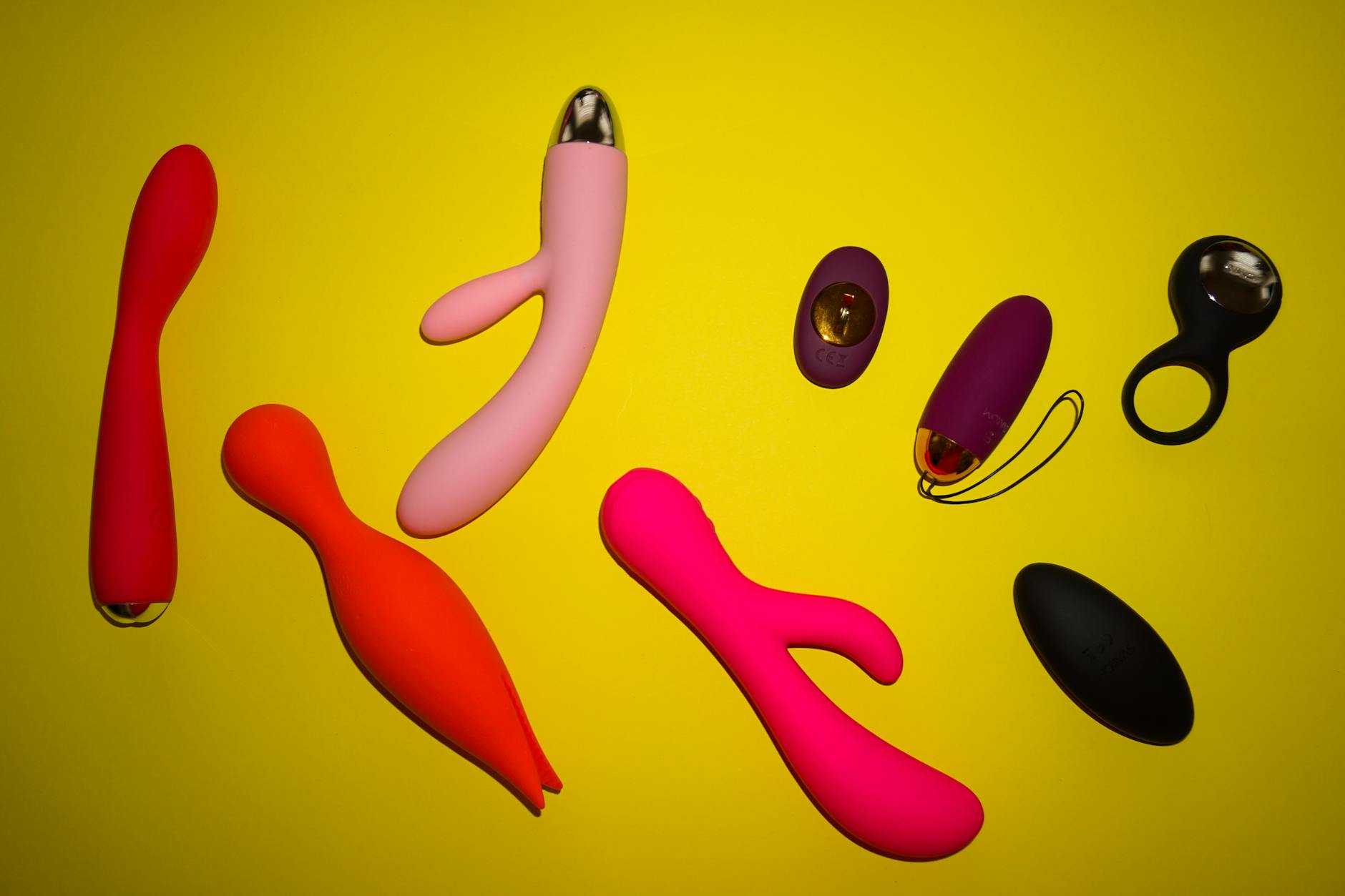 Photo by FounderTips on Pexels
Common questions about arousal and stress
How long does it take for sensation to come back after high stress?
Typically two to four weeks of genuinely reduced stress. The nervous system is slower to reset than we want it to be. You might notice small improvements within days, but full arousal capacity usually takes weeks. The timeline depends on how long the stress ran and how deeply you're able to address the root causes.
Can I speed up the process by using my lemon vibrator more often?
No. Actually the opposite. When arousal is dampened by stress, frequent stimulation without results can create frustration and performance pressure, which keeps you stuck in sympathetic mode. Less frequent, zero-pressure exploration is more effective. You're rebuilding trust with your own body, not exercising it.
Does stress affect men's arousal the same way?
Yes, broadly. The parasympathetic shutdown happens across all bodies. The specific manifestations differ. Some people experience erectile difficulty. Some experience sensation flatness. Some lose desire entirely. The underlying mechanism is the same nervous system shift.
Should I tell my partner that stress is affecting my arousal?
Yes. Silence creates space for assumptions. Your partner might interpret muted response as low interest in them. That gap between internal reality and external interpretation is where resentment grows. One honest conversation prevents weeks of confusion.
If I have a history of anxiety or depression, will stress always flatten my arousal more?
You might notice it more acutely because your baseline nervous system regulation is already more sensitive. But it's not permanent. The same interventions work. Sleep, movement, stress reduction, and giving yourself grace during the rebuild period. The difference is you might need to be more intentional about the basics than someone without that history.
Is there a supplement that helps?
Magnesium helps some people. L-theanine helps others. But honestly, they're not substitutes for sleep and stress reduction. If you're sleeping six hours, stressed, and not moving, a supplement isn't going to override that neurochemistry. Solve the foundations first.
The real takeaway
Your body isn't broken. Your nervous system is doing exactly what it's supposed to do under stress. The path back to pleasure is slower than you want it to be, but it's predictable. Sleep. Movement. Genuine rest. And patience with the rebuild.
When you're ready to reconnect, your lemon clitoral vibrator will be there. It doesn't need to change. You just need your nervous system back online.
If you're navigating stress and intimacy shifts as a couple, reach out. Connection during chaos is worth the conversation.