Let's talk about vulvodynia and pleasure at the same time
Here's what usually happens: someone gets diagnosed with vulvodynia or chronic pelvic pain, and pleasure becomes this thing that's complicated. It feels dangerous. It feels like your body is off-limits. The conversation stops.
But stopping is not the same as healing. And honestly, pleasure can be part of your recovery, not a threat to it. The key is using tools that work with your pain, not against it.
Why lemon vibrators are different for chronic pelvic pain
Most vibrators work through direct friction and pressure. If you have vulvodynia, that's exactly what triggers pain. You feel the vibration as intensity, as weight, as more sensation than your nervous system can process.
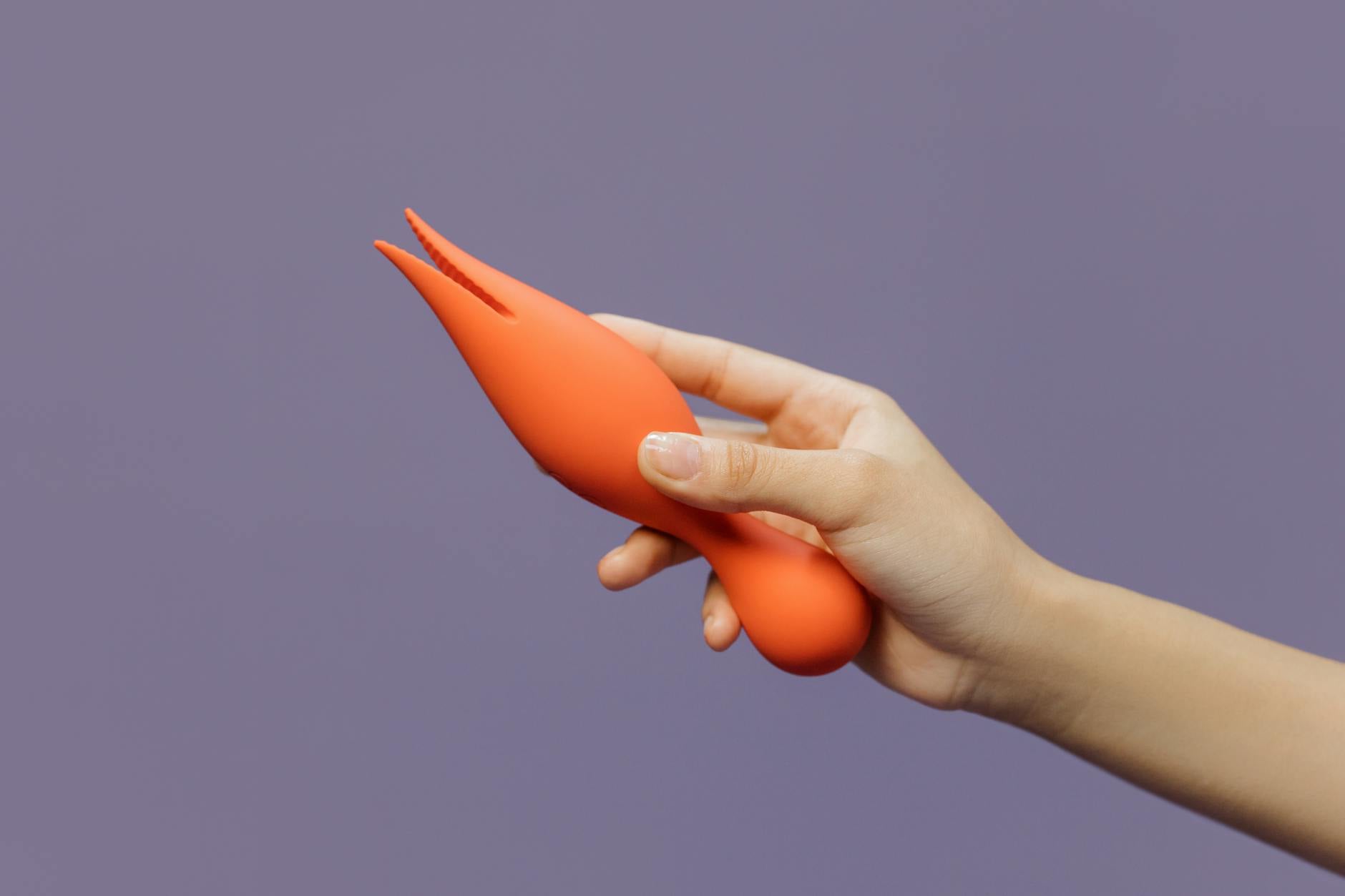
Lemon vibrators, specifically the Lem suction model, work through a completely different mechanism. Instead of pressing into tissue, they create gentle suction and release patterns that stimulate nerves without the same mechanical pressure. Think of it like this: friction vibrators are percussion. Suction vibrators are waves.
For someone with chronic pelvic pain or vulvodynia, waves are gentler. The stimulation reaches deeper nerve tissue without the surface irritation that often triggers flare-ups. I've seen clients with severe vulvodynia respond to lemon clitoral vibrators when they couldn't tolerate any other device.
The nervous system piece (the part that actually matters)
Vulvodynia is often a nervous system disorder, not just a tissue problem. Your pain receptors are overactive. Touch that should feel neutral reads as pain. Vibration that should feel good registers as threat.
When you introduce pleasure tools slowly and gently, you're basically retraining your nervous system. You're saying: this touch is safe. This sensation is optional. You're in control. This takes time, but it works.
A lemon vibrator's suction mechanism is lower-key than traditional vibration. The pattern feels almost meditative when you're starting out. It's not shocking your system. It's inviting it.
Where to start if you have vulvodynia
Don't jump to the highest suction setting. Start at pattern 1, which is barely perceptible. You might feel silly. Good. That means you're not overstimulating. This isn't about intensity. It's about building tolerance and safety signals.
Position matters more than you'd think. If you have vulvodynia, the clitoris can be extremely tender. Instead of direct contact, try hovering the Lem slightly above the tissue. The suction still works from a small distance. You get stimulation without pressure.
Time it right. Arousal matters because it changes blood flow and nerve sensitivity. Don't grab a lemon vibrator when you're stressed or tired. Give yourself 15-20 minutes of mental space first. Read something hot. Think about something that turns you on. Let your body warm up.
Lubricant and comfort adjustments
This is non-negotiable: use lubricant. Water-based only if you're using silicone toys. Lubrication reduces friction and changes how the suction feels. It makes the whole experience smoother and less likely to trigger irritation.
Many people with vulvodynia also have reduced natural lubrication. This is a separate issue, not a reflection on you. Adding lubricant is solving a problem, not masking one. Use enough that the Lem glides, not drags.
If you're using hormone therapy, topical estrogen, or other treatments for vulvodynia, give those time to work before you expect pleasure to feel the same. Vulvodynia treatment is often a 6-12 week process. Your nervous system is rewiring. Pleasure will follow.
When pain shows up during use
Stop. This is important. Your pain is information. It's telling you something.
Pain during pleasure with vulvodynia usually means one of three things: you're at a higher intensity than your nervous system is ready for, you haven't aroused enough yet, or you need to adjust position. It does not mean you're broken or that pleasure is impossible.
Back off intensity. Go back to pattern 1. Give yourself permission to do nothing but enjoy the lowest setting for a full week. Your nervous system needs evidence that this is safe.
If pain persists, talk to your gynecologist or a pelvic pain specialist. Some people benefit from pelvic floor physical therapy before introducing any vibration. Others find that topical treatments make pleasure feel more accessible. There's no shame in taking that route first.
The mental piece (honestly the harder part)
Vulvodynia often comes with guilt, shame, and this weird grief about your body. Your body feels like it's betraying you. Using a pleasure tool while you have pain can feel like acceptance, and that can feel like giving up.
It's not. Pleasure while you're in pain is radical. It's your body saying yes to something good even when something else is wrong. That's not surrender. That's resilience.
If you have a partner, let them know what you're doing. Not every detail, but the general idea: I'm exploring what feels safe for my body. Some days will feel better than others. I might need to stop. This is about me taking care of myself. Most partners will respond well to that. The ones who don't might be the bigger issue.
Building back to partnered pleasure
Vulvodynia can make partnered sex feel impossible. Too much pressure, too much sensation, too much vulnerability. If that's your situation, lemon vibrators can actually be a bridge.
Using a Lem alone teaches you what comfortable pleasure feels like. It gives you a baseline. Then, when you're ready, you can introduce your partner into that experience. They watch. They learn the patterns that work. They understand the pace. They're not trying to push you into sensation you can't handle.
Some couples find that integrating a lemon clitoral vibrator into partnered sex makes everything easier. The Lem does what their body can't do without pain. They both get to feel pleasure. Pressure lifts. Connection increases.
What to tell your doctor
Your gynecologist or pelvic pain specialist needs to know what you're trying. Not in graphic detail, but: I'm using a gentle vibrator to explore what feels safe. They'll tell you if there's a reason not to. Usually there isn't. They might suggest timing your exploration with your treatment plan. They might recommend avoiding vibration during certain phases. That's useful information.
If you're seeing a pelvic floor physical therapist, mention it there too. They can give you positions that work with your pelvic floor tension, not against it.
The timeline you need to know
Rewiring a nervous system that's in pain takes patience. You might use a lemon vibrator at pattern 1 for three weeks before you can handle pattern 2. That's not slow. That's perfect. Your body is healing.
Some days will feel worse than others. Stress, your cycle, sleep, hydration. All of these things change how your nervous system responds to sensation. A day when pleasure feels impossible doesn't mean you're failing. It means you're human and your body is complex.
Be honest with yourself about what you need. Some days that's a five-minute exploration at the lowest setting. Some weeks it's nothing at all. Both are fine. You're not losing progress by taking a break. You're listening.
FAQ: Vulvodynia and lemon vibrators
Can I use a lemon vibrator if I have vulvodynia?
Yes, but with adjustments. Lemon clitoral vibrators work through suction rather than friction, which is gentler on sensitive tissue. Start at the lowest setting and use position variations like hovering rather than direct contact. Many people with vulvodynia respond better to suction devices than traditional vibrators because there's less mechanical pressure on irritated nerves.
Will using a lemon vibrator make my vulvodynia worse?
Not if you approach it carefully. Pain during pleasure is your signal to stop or adjust. Back off intensity, use more lubricant, change position, or wait longer to arouse. If pain persists or increases, it's worth discussing with your pelvic pain specialist. They might suggest starting vibration therapy after other treatments have progressed further, and that's a valid path.
How long should I wait before trying a lemon vibrator after a vulvodynia diagnosis?
There's no one timeline. Some people benefit from exploring immediately because it builds evidence that pleasure is possible. Others need weeks or months of treatment first. Talk to your doctor. If you start and it feels wrong, stop. This is entirely about what your body and nervous system are ready for, not about a calendar.
Should I use lubricant with a lemon vibrator if I have vulvodynia?
Always. Lubricant reduces friction and changes how suction feels. It makes the experience smoother and less likely to trigger irritation. Water-based lubrication is best with silicone toys. Using enough lubricant isn't cheating. It's taking care of yourself.
Can a lemon vibrator help me rebuild intimacy with a partner after vulvodynia made sex painful?
Absolutely. Using a lemon vibrator solo first teaches you what safe pleasure feels like. Then partnered exploration becomes less about pressure and more about collaboration. Your partner can learn your pace and your preferences. Many couples find that introducing a clitoral vibrator reduces anxiety and increases connection because both people get to feel good without pain being the focus.
What should I do if I feel pain when using a lemon vibrator?
Stop immediately. Pain is information. Check: Are you at too high an intensity? Do you need more arousal time? Have you tried hovering instead of direct contact? Is there enough lubricant? Once you've adjusted, try again at a lower level. If pain persists even at the lowest setting, let your pelvic pain specialist know. That's useful data for your treatment plan.
The permission you actually need
Your vulvodynia is real. Your pain is real. And your right to pleasure is also real. These things can exist at the same time. You don't have to choose between taking your pain seriously and exploring what feels good.
A lemon vibrator is a tool. It's not going to cure vulvodynia. What it can do is give you a gentle, controlled way to rebuild your relationship with pleasure. To remind your nervous system that touch can be safe. That sensation can feel good, even when some sensations feel bad.
Start small. Go slow. Listen to your body. And know that pleasure is absolutely possible for you, even with chronic pelvic pain. You deserve that. Nancy's Lem believes that too.