Here's what we're not doing
We're not telling you that guilt doesn't exist or that you should just "get over it" by Sunday. Guilt around solo pleasure is real, it runs deep, and it's not a personal failing. It's a legacy.
Most of us grew up in cultures, families, or religions that treated masturbation as either shameful, sinful, or something nobody talked about. That silence didn't protect us. It trapped the guilt inside and made it feel like fact.
Why guilt shows up (even when you know better intellectually)
Intellectually, you might know that masturbation is normal, healthy, and an important part of sexual self-knowledge. But knowing something intellectually and feeling it in your body are different things.
Guilt around solo pleasure typically comes from three places.
First, there's the internalized message that your pleasure is selfish or less valid than partnered sex. This usually arrived early and quietly. A parent's discomfort. A religious teaching. A friend's laugh at just the right moment. These small inputs stack up and become a belief system you didn't consciously choose.
Second, there's the fear of being "found out." If you're partnered, there's sometimes guilt about having pleasure that's separate from your partner. If you're single, there's guilt about wanting pleasure at all, as if wanting it means something is wrong with the relationship or with you. Neither is true. Solo pleasure and partnered sex are different experiences serving different purposes. One doesn't diminish the other.
Third, there's the false equation between masturbation and loneliness or desperation. Culturally, we've been sold the idea that solo pleasure is what you do when you can't get the "real thing." That's nonsense. Solo pleasure is the real thing. It's the one context where you can explore your body without worrying about anyone else's response, timing, or comfort.
The actual facts (versus what you were told)
Masturbation does not interfere with partnered sex. Research consistently shows the opposite. People who have a healthy solo pleasure practice tend to have better partnered experiences because they know their own body, what feels good, and how to communicate about it.
Masturbation is not a sign of relationship problems. It's a sign that you have a body with nerve endings and a brain capable of pleasure. Both of those things are working as designed.
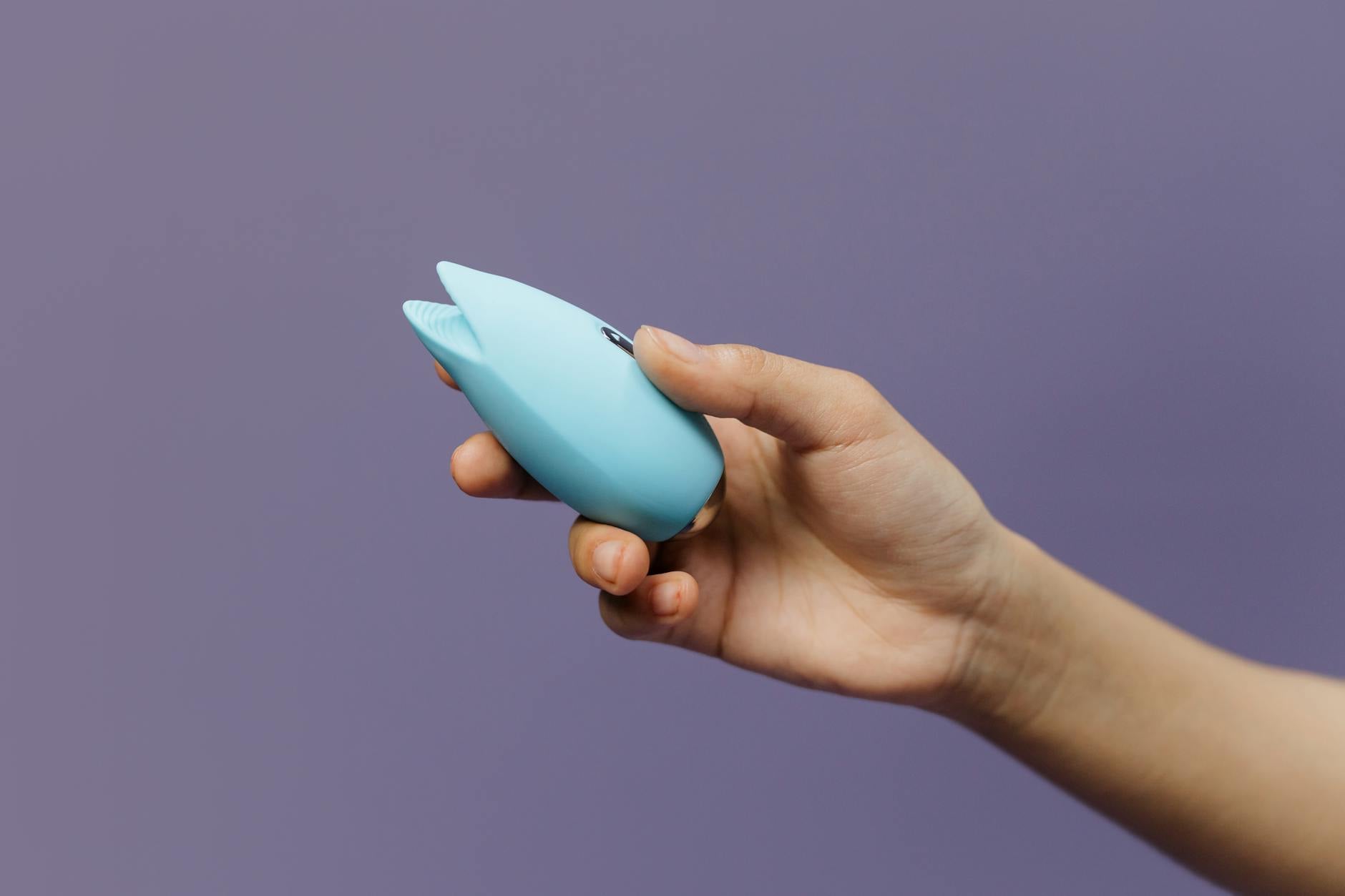
Using a tool like a lemon vibrator or any other adult toy doesn't mean you're "replacing" a partner or settling for less. It means you're using a device designed for clitoral stimulation to explore your body's capacity for sensation and orgasm. Many people find that a clitoral vibrator gives them access to orgasms or intensities they can't reach with hands alone. That's not a compromise. It's an upgrade to your own pleasure.
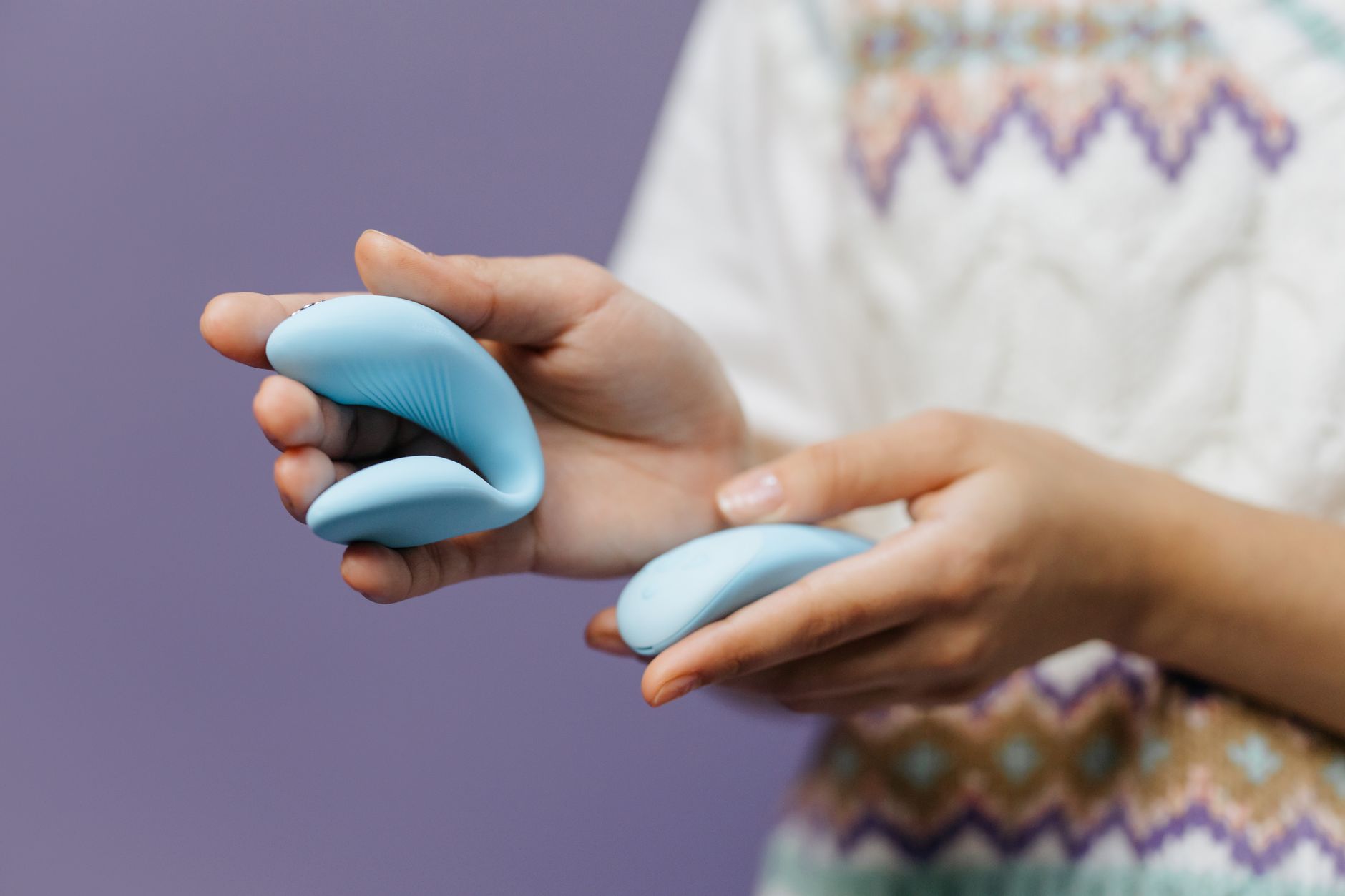
Photo by cottonbro studio on Pexels
The reframing that actually works
You can't think your way out of guilt. You have to act your way through it.
Guilt thrives in secrecy and shame. It weakens the moment you treat solo pleasure as a normal, neutral part of sexual health instead of something to hide or feel bad about.
Start small if you need to. That might mean giving yourself permission to explore without a device first. That might mean using a lemon vibrator just once with zero expectations about what should happen. That might mean setting a time for solo pleasure and protecting it the way you'd protect time for exercise or therapy, because it's that important.
The goal isn't to feel amazing immediately. The goal is to interrupt the guilt-shame feedback loop long enough to gather new evidence. Evidence that you can touch your body without punishment. Evidence that pleasure is available to you. Evidence that wanting it doesn't make you selfish or broken.
Here's what I tell clients: treat solo pleasure as self-care research. You're learning about your body. That's useful information. The Lem or any other lemon clitoral vibrator is a research tool, not a moral statement.
Practical steps to work through the guilt
Set a boundary with your internal critic. When shame shows up (and it will), name it. "That's the old message I learned. It's not actually true." Argue back, even if it feels silly. Repetition rewires the neural pathways that guilt lives in.
Separate solo pleasure from partnered sex in your mind. They're not competing for the same real estate. When you have solo time, it's not a referendum on your relationship or your worth. It's time for you to learn your body.
If you're partnered, consider telling your partner. This one is optional and depends entirely on your relationship safety, but secrecy often feeds guilt. A partner who loves you will understand that your pleasure is separate from theirs and that solo exploration actually makes you better in bed together.
Start with curiosity instead of performance expectations. Don't use the Lem or any other lemon vibrator as a device to "achieve" an orgasm. Use it to notice. What feels good? What doesn't? What surprised you? Curiosity is harder for guilt to penetrate than performance pressure.
Give it time. Guilt that's been building for years doesn't disappear in one session. Some people move through it quickly. Others need weeks or months of gentle, consistent permission-giving. Both are normal.
How lemon vibrators can actually help the process
Clitoral suction devices like the Lem have a particular advantage when guilt is present: they create a unique, pleasurable sensation that your hands can't replicate.
Why does that matter? Because when your body experiences something so clearly pleasurable, your mind has a harder time arguing that it's shameful. The evidence becomes physical. Your clitoris doesn't care about cultural messaging. It just responds to good stimulation.
Many people find that the first time they use a lemon vibrator and feel that difference in sensation, something shifts. The guilt doesn't vanish, but it loosens. Your body is speaking louder than the old messages.
Start at a lower setting if you're new to clitoral vibrators. Let yourself get used to the sensation. There's no rush. Solo pleasure is the only context where you don't have to sync with someone else's timeline or needs.
The deeper work (sometimes you need support)
If guilt is severe enough that it's blocking you from any kind of solo exploration, or if shame around your body or sexuality runs through other parts of your life, talking to a therapist who specializes in sexual health can be genuinely transformative.
Guilt that's rooted in trauma, religion, or deep family messaging sometimes needs more than intellectual reframing. That's not a failure on your part. It's a sign that you need a professional who understands the neurobiology of shame and can help you safely work through it.
Therapy isn't weakness. It's the fastest way to reclaim pleasure that was never actually yours to feel guilty about in the first place.
Why this matters
Your pleasure is not selfish. Your body deserves attention and care. Solo exploration isn't a sign of something missing in your life. It's a sign that you're willing to know yourself fully.
The Lem and other lemon clitoral vibrators are tools designed specifically to maximize sensation at the clitoris without requiring sustained manual effort. They're good at what they do. And you deserve to use them without carrying the weight of guilt that was never actually yours to carry.
People also ask
Is it normal to feel guilty about masturbation even when you're in a relationship?
Completely normal. Many people with partners still carry guilt about solo pleasure because culturally we're taught that "real" sex is partnered sex and everything else is a consolation prize. That's backward. Solo pleasure and partnered sex are different activities serving different purposes. One doesn't negate the other. If guilt is blocking you from solo exploration, it might be worth examining where that guilt came from. Was it a message from your family, religion, or culture? Can you identify the moment you internalized it? Naming the source often weakens its hold.
Will using a vibrator make me dependent on it for orgasm?
No. This is one of the most persistent myths about vibrators, and it's not supported by evidence. What's actually true: if you use a vibrator regularly, your body gets used to that specific type of stimulation and becomes very efficient at responding to it. That's not dependence. That's adaptation. If you want to also have orgasms without a vibrator, you can practice both. Many people enjoy both solo pleasure with a lemon clitoral vibrator and manual stimulation. They're not mutually exclusive.
What if my partner finds out I'm using a vibrator and gets upset?
That's a relationship conversation worth having. If your partner's upset, the first step is curiosity, not defense. Often, partners worry that vibrators mean they're not enough, when actually vibrators are about expanding your own pleasure, not replacing your partner. Some couples find that this conversation opens up a lot of closeness. If your partner refuses to accept that your body is yours to explore, that's a larger relationship issue worth exploring with a therapist.
Can lemon vibrators help if I have no sensation in my clitoris?
Maybe, but it depends on the cause. If numbness is from medication, hormonal changes, or long-term desensitization from intense vibration, a lemon vibrator might actually make it worse. Clitoral suction works differently than traditional vibration, so some people find it more effective. But if sensation is completely absent, a medical checkup first is smart. Once you've ruled out medical causes, a sex therapist or healthcare provider trained in sexual health can help you rebuild sensation safely.
Is there a "right" frequency to masturbate?
There's no magic number. Some people want solo pleasure daily. Others prefer weekly or monthly. What matters is that the frequency feels right for your body and your life. If you're using solo pleasure to avoid other emotions or to cope with anxiety, that's a sign to check in with yourself or a therapist. But if it's something you enjoy and it fits into your life, there's no "too much."
How do I know if shame is just my gut feeling or if it's guilt I actually need to work through?
Gut feelings are usually fast and specific. "This doesn't feel right because of XYZ reason." Shame is usually slower, more pervasive, and tied to your sense of identity. It feels like "I am bad for wanting this" rather than "I feel uncomfortable with this situation." Shame also tends to stick around and whisper at you over time. If you're feeling a vague sense of badness or dirtiness about solo pleasure, that's shame, and it's worth examining. If you have a specific concern (like privacy or safety), that's just a practical problem to solve.
You deserve this
Solo pleasure is not a consolation prize. It's not something to feel guilty about. It's a direct line to your own body's capacity for sensation and orgasm, and that knowledge makes you smarter, more confident, and often better at navigating pleasure in any context.
The Lem or any other lemon vibrator is just a tool. But tools help us do things we couldn't do before. In this case, the tool helps you explore your clitoris's capacity for sensation without the mental load of worrying about someone else's pleasure or timing.
That's worth your time. And worth letting the guilt go.