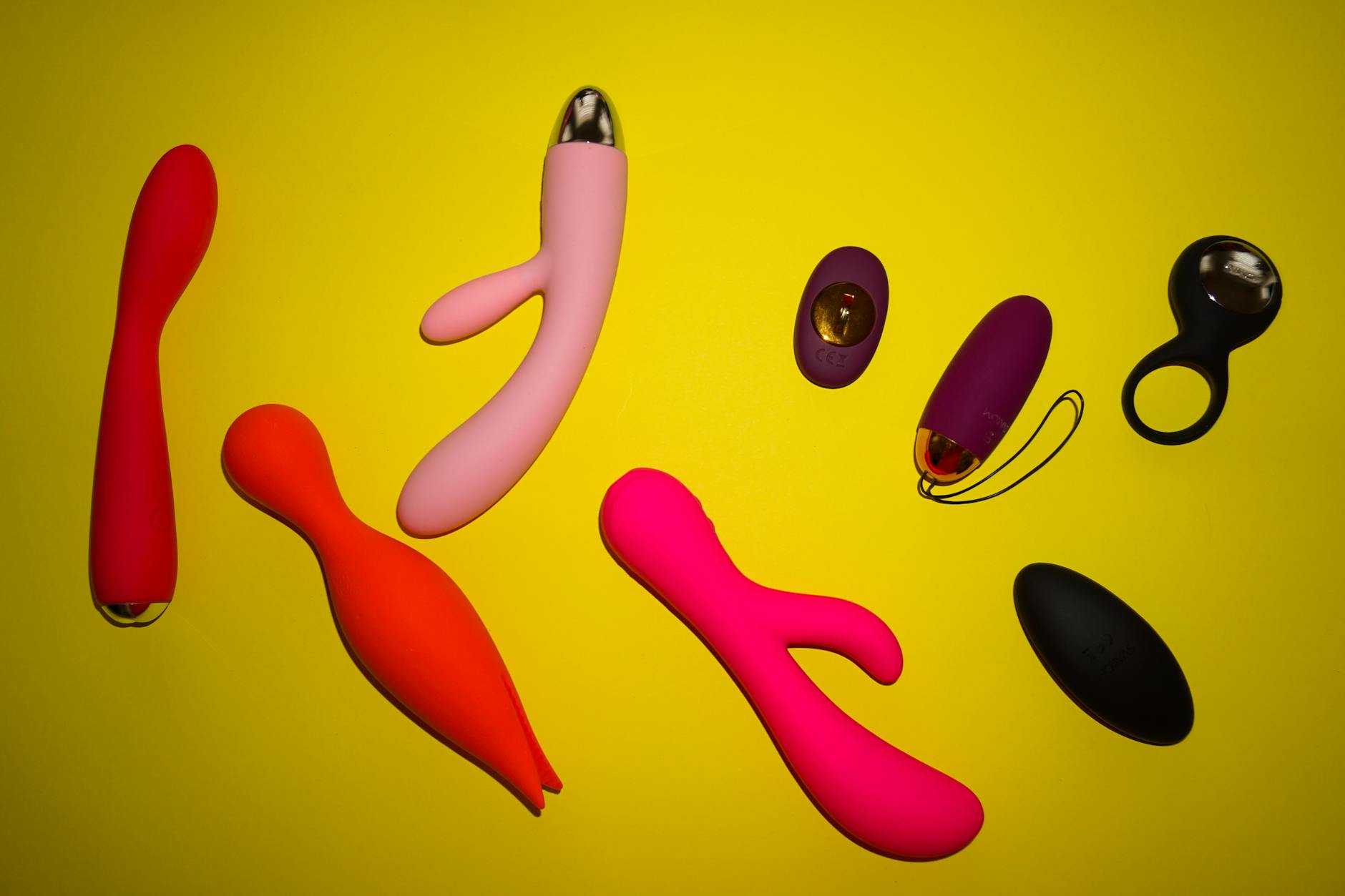
Why reaching orgasm feels harder than it should
Let's be real. You've tried. Maybe you've tried a lot. Traditional vibrators buzz, you feel something, but that final push never comes. You get to 75% arousal and then plateau. It's frustrating, and worse, it makes you question whether your body works the way it's supposed to.
Here's the thing. It probably does. The issue isn't your capacity for pleasure. It's usually a mismatch between the type of stimulation being offered and what your nervous system actually needs.
The physiology of the orgasm plateau
Reaching orgasm requires a specific chain reaction. Stimulation builds arousal. Blood flow concentrates in the clitoris. Pressure increases. Neural signals fire faster. Then, at a certain threshold, the pelvic floor muscles contract rhythmically and you cross the finish line.
When you get stuck in a plateau, usually one of three things is happening.
First, the stimulation isn't intense enough. Traditional bullet vibrators and wand vibrators vibrate at a frequency (typically 40-80 Hz), but that frequency alone might not create enough localized pressure in your clitoral tissue to trigger the threshold.
Second, the stimulation is too monotonous. Your nerve endings adapt. After 10 or 15 minutes of the same vibration pattern, your body stops registering the sensation as novel. Arousal plateaus and doesn't climb further.
Third, and this one matters more than people realize, the stimulation is diffuse. A traditional vibrator stimulates a wide area of tissue. For some people, that's perfect. For others, especially those who need stronger sensation, that feels like background noise rather than direct stimulation.
Clitoral suction technology, like the lemon vibrator from Nancy's Lem, works differently. Instead of vibration alone, it uses rhythmic suction that creates pressure and release patterns. That pulse mimics some of what happens naturally during arousal, but amplified and controlled.
Why clitoral suction breaks through plateaus
Think of it this way. A traditional vibrator is like a speaker playing music. A lemon clitoral vibrator is like cupping your hands around your ears while that speaker plays. The intensity is focused. The pressure builds in a localized area.
When suction technology pulls gently on the clitoral head, it increases blood flow to that specific tissue. The nerves in the clitoris—and there are roughly 8,000 of them clustered in a tiny area—all fire at once. That's different from the scattered nerve activation that regular vibration creates.
Research on clitoral suction devices shows that people who couldn't reach orgasm with other methods often find success within the first few sessions. Not because their bodies suddenly changed, but because the stimulus is finally matching what their nervous system needs.
The other advantage: novelty. Because suction creates a unique sensation pattern that's distinct from vibration, your nervous system doesn't habituate as quickly. You can use suction devices for longer sessions without hitting that plateau wall.
How to set yourself up for success
Here are the practical moves that actually work:
Start with the right intensity level. The Lem vibrator has settings that build gradually. Most people make the mistake of starting at the highest setting. Start at pattern 1 or 2. Let your arousal build for a few minutes. Then gradually increase. Your goal is to match the pattern to your arousal level, not jump to maximum.
Budget real time. If you've been reaching a plateau at the 15-minute mark, plan for 25 or 30 minutes. Clitoral suction works best when you're not rushing. Pressure, paradoxically, kills arousal.
Use lubrication. Even though suction doesn't require the same friction as vibration, a tiny bit of water-based lube helps the suction seal work more efficiently. It also prevents any skin irritation from prolonged contact.
Find your position. Lying on your back, legs slightly apart, is the most common starting position because it gives your hands free access and lets you control the angle. Some people find that lying on their side, or even sitting, changes the sensation dramatically. Experiment.
Stay present. This sounds woo, but it isn't. When you're focused on "will this work," your nervous system is partly in threat mode. Breathing deeply, focusing on sensation rather than outcome, and letting your mind wander to something arousing actually moves the needle.
The role of mental arousal
Here's something people don't talk about enough. You can have perfectly functioning genitals and still struggle to reach orgasm if your brain isn't in it.
Stress, distraction, performance anxiety, body image concerns, relationship disconnection. All of those sit upstream of physical sensation. A lemon clitoral vibrator can help you overcome physical barriers, but it can't override a brain that's convinced something is wrong.
If difficulty reaching orgasm started after a specific life event—a breakup, a major life change, new medication, or simply accumulated fatigue—the tool helps, but so does addressing the upstream issue. That might mean therapy, rest, reconnection with your partner, or simply giving yourself permission to stop trying so hard.
Often, people find that combining the physical tool with a mental shift (I'm allowed to feel good, my body works, I don't have to perform) is what actually moves the needle.
When external factors are getting in the way
Some medications, particularly SSRIs and other antidepressants, can make orgasm harder to reach. Hormonal changes—whether from birth control, pregnancy, or simply where you are in your cycle—matter. High cortisol from chronic stress literally dampens sexual response.
A clitoral suction vibrator can sometimes help you work through these barriers, but sometimes the barrier is real and the solution isn't a better tool. It's talking to your doctor about medication timing, exploring different contraception options, or prioritizing sleep and stress management.
If reaching orgasm has been impossible for years, and especially if it's been that way your whole life, consider talking to a sex therapist. Not because something is broken, but because they can help you understand your specific neurology and create a personalized approach.
What to expect in the first week
Don't expect instant results, but do expect something to shift. Most people using a lemon vibrator for the first time notice that sensation feels different and stronger than what they're used to. That's the point.
In the first few sessions, you might not reach orgasm, but you'll likely reach higher levels of arousal than you have before. That's progress. Your nervous system is learning that this new stimulus can take you further.
By session 3 or 4, if you're consistent and relaxed, many people break through that old plateau. Not because the device is magical, but because your body now has a stimulus that matches what it needs.
If you hit a plateau with the Lem after a few weeks, switch patterns. Don't just turn up the intensity. Changing the pattern (rhythm, pulsing, intensity curve) often reignites novelty and arousal.
The relationship angle
If you're using a lemon clitoral vibrator with a partner, be clear about what it's for. It's not a replacement for them. It's a tool that helps your body reach a place it couldn't reach before. Many partners find it incredibly hot because it removes the pressure on them to be the source of your orgasm.
The conversation goes from "Why can't I make you come" to "How can we work together to get you there." That reframe alone changes everything.
FAQ: When lemon vibrators don't seem to help
Why am I still not reaching orgasm even with the Lem?
Orgasm is a whole-system event. The device addresses physical sensation, but not stress, distraction, or relationship disconnection. If you're not reaching orgasm with a clitoral suction vibrator, start by checking: Are you giving yourself at least 20 minutes without interruption? Is your mind engaged or just waiting for something to happen? Are you on medication that might be affecting arousal? Have you talked to your partner about what you need? Sometimes the barrier is physical, sometimes it's mental, usually it's both.
Does the clitoral suction vibrator work for everyone?
No. Some people's neurology responds better to consistent vibration than to suction patterns. Some find suction too intense on sensitive tissue. The only way to know is to try. If it doesn't work, that's not a reflection on your body. It just means a different tool might be better.
How long does it take to see results?
Most people notice a difference in sensation within the first use. Actual orgasm typically follows within 3 to 7 sessions if the barrier was primarily physical. If the barrier is mental or relational, the device helps, but so does addressing those pieces.
Can I use a lemon vibrator if I have numbness or reduced sensation?
Yes, actually. Because suction creates more localized, intense stimulation than regular vibration, people with reduced sensation often find it works better. Start low and increase gradually. If you're not feeling much after a few tries, check in with a healthcare provider to rule out neurological issues.
Is there a "best" pattern or setting for reaching orgasm?
Nope. Every body is different. Some people need steady suction. Some prefer pulsing patterns. Some need to start gentle and build up. Spend a few sessions just exploring. The pattern that works today might be different from the pattern that works next week.
What if I've been using a lemon vibrator for weeks and I'm hitting a plateau again?
Your nervous system has adapted. Switch it up. Change the pattern, change your position, change the time of day, change what you're thinking about. Adding novelty is the antidote to adaptation. Or take a break for a few days and come back fresh.
The real story
Difficulty reaching orgasm isn't a personal failure. It's a signal that your current setup—the tool, the timing, the headspace, the relationship context—isn't matching what your body needs. A lemon clitoral vibrator from Nancy's Lem shifts that match for a lot of people. Not because it's magic, but because suction technology creates a kind of stimulation that vibration alone sometimes can't deliver.
Your orgasm deserves better than a plateau. Your pleasure matters, and sometimes getting there just requires the right tool and permission to spend time on yourself.