Depression is a pleasure killer. But recovery doesn't have to be slow.
Let's be real. Depression doesn't just make you sad. It flattens sensation, kills desire, and makes your body feel like it belongs to someone else. When you're in it, the idea of pleasure feels foreign, unnecessary, even wrong. And when you start coming out of it—through therapy, medication, time, support—one of the last things that returns is sexual desire. It's one of the slowest threads to pick back up.
I've worked with countless clients navigating this exact landscape. The pattern is always the same: they get their energy back, their mood stabilizes, and then they realize they have no idea how to reconnect with their own body. Their partners might be waiting. They might be waiting for themselves. Either way, the path back to pleasure isn't intuitive. It requires permission, patience, and often, tools that make the process gentler.
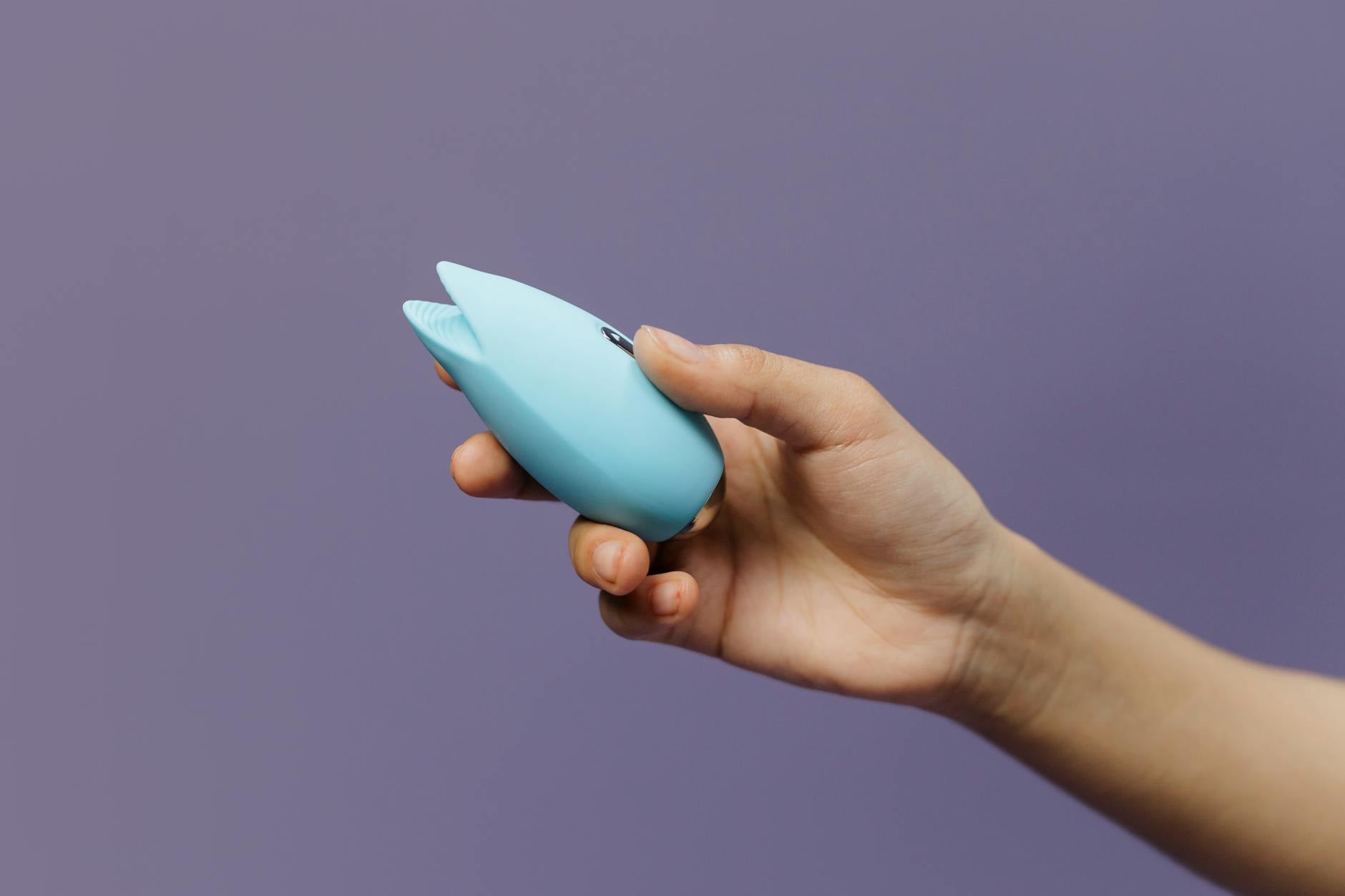
Lemon vibrators, specifically lemon clitoral vibrators that use air-suction technology, are one of those tools. Not because they're magic, but because they work with how your nervous system actually heals.
What depression does to physical sensation
Depression doesn't just reduce motivation. It changes your nervous system. Here's what happens:
Your brain produces less dopamine and serotonin, which affect arousal pathways. Your body tightens up. Literally. Muscle tension increases, blood flow to sensitive areas decreases, and your skin becomes less responsive to touch. Add antidepressants into the mix (which help your mood but often suppress libido as a side effect), and sensation can feel completely absent.
Manypeople describe it like this: touching their own body feels like touching a stranger's arm. There's sensation, technically, but no feeling behind it. No spark. No signal that anything matters.
When you're recovering, these changes don't flip back overnight. Mood lifts faster than desire does. This gap is where shame often sneaks in—the feeling that something is still broken, that you should be able to want sex again just because you feel better.
You shouldn't. Your body needs to relearn how to respond.
Why lemon vibrators work better for reawakening sensation
Traditional vibrators work through direct, repetitive stimulation. They buzz. This can feel overwhelming if your sensory system is still down-regulating. It's too much, too fast, too intense. Your body closes down instead of opening up.
Lemon sexual toys like the Lemon work differently. Air-suction technology creates a gentle vacuum that mimics oral sensation without the harshness of direct vibration. For someone rebuilding sensation after depression, this matters enormously.
Here's why:
Suction feels gentler but registers deeply. It doesn't overwhelm the nervous system the way strong vibration can. You're not being assaulted by sensation. You're being invited into it.
It activates different nerve pathways. The clitoris has two main types of nerve endings. Vibration hits fast-adapting fibers (the ones that tune out repetitive stimulation). Suction activates slow-adapting fibers, which means sensation doesn't flatten the way it does with traditional vibrators. You stay engaged.
You control the intensity without changing the sensation. With lemon clitoral vibrators, you're adjusting suction strength, not switching to a different pattern. It's a smooth dial, not a jump from setting 2 to setting 5. For someone relearning their body, this continuity matters.
The first step: permission to explore without pressure
Before you even pick up a lemon sucker, there's groundwork.
Depression often leaves shame in its wake. You might feel like your body betrayed you, or like wanting pleasure again is selfish, or indulgent, or a sign you're not actually sick anymore and should just move on. None of that is true, but it lives in your head.
The first thing I tell clients is this: your pleasure matters. It's not a reward for being healthy. It's part of being human. Reconnecting with sensation is part of your recovery, not a distraction from it.
This means giving yourself explicit permission to explore your body alone, without any goal except to notice what you feel. Not to orgasm. Not to prove anything. Just to map what's home.
That's where a lemon vibrator comes in. It's a tool that says "I'm taking this seriously." It's not desperate. It's not sad. It's intentional.
How to use a lemon vibrator in your recovery
Start low. I mean absurdly low. Set 1 on your lemon clitoral vibrator. Some days, set 1 is enough. Some days, you'll find yourself moving to set 2. There's no timeline.
The first few times, you might not feel anything. Your brain might be quiet, your body might feel numb, and you might think "This isn't working." That's normal. Sensation takes time to return. You're not broken. You're just waking up.
Here are the specifics:
Timing matters. Use your lemon vibrator when you have energy and time, not when you're exhausted or checking a box. Even 10 minutes of actual presence beats 30 minutes of going through motions.
Warm up your body first. A hot shower, some gentle stretching, or just lying down and breathing for a few minutes helps your nervous system shift out of stress mode. Your body can't learn to feel pleasure if it's still in protection mode.
No orgasm goal. I'm saying this twice because it's that important. The goal is sensation, not outcome. If an orgasm happens, great. If it doesn't, you still won the day by showing up.
Use lube. Even if you don't think you need it. Water-based lube reduces friction, which means less intensity, which means your nervous system feels safer. Safety is how sensation returns.
What to do if you have a partner
If you're in a relationship, your partner probably has questions. Are they waiting for you? Do they feel rejected? Do they understand what's happening in your body?
Most partners don't, not really. And that's okay. It's not their job to understand depression. It is their job to support your recovery, and sometimes that means getting patient.
Here's what I recommend:
Tell them what's happening. Not in detail. Just: "I'm relearning what sensation feels like. It's slow. I need you to not expect anything right now." That sentence does a lot of heavy lifting.
Use your lemon vibrator alone first. Get comfortable with your own body before you involve them. This is about you, not about them. When you're ready, you can invite them into the process, but that's a separate conversation.
Separate sex from intimacy temporarily. You can hold hands, kiss, lie close, and be tender without anything sexual happening. In fact, that's where most of the healing happens. Depression makes us feel untouchable. Being touched—safely, gently—is how we remember we're not.
When medication is part of the picture
Many antidepressants reduce libido and make orgasm harder to reach. If you're experiencing this, you have options:
Talk to your psychiatrist. Some medications suppress sexuality less than others. Sometimes switching timing (taking it at night instead of morning) helps. Sometimes a dose adjustment works. Don't just white-knuckle through it.
Understand that this is temporary. Your body isn't permanently broken. You're on medication that's saving your life. The side effect is real, but it's not permanent.
Lemon vibrators can help bridge the gap. Because air-suction technology is gentler and hits sensation differently, many people find that even with medication-related suppression, they can still experience some pleasure. It's not the same as pre-depression sensation, but it's something. And something is meaningful when you thought there was nothing.
Signs you're ready to move forward
You'll know when your nervous system is ready to expand. There's no checklist, but here are things clients report:
You think about your body without disgust. You notice sensation in small ways—a warm shower, a soft blanket, touch that doesn't make you flinch. You can be naked without feeling exposed in a bad way. You're willing to try something, even if you're not sure it will work.
That's when you're ready. Not when you're all the way better. Just when you're willing to explore.
The longer conversation
Rebuilding intimacy after depression isn't just about sensation. It's about trusting your body again, trusting your mind, trusting that feeling good is allowed. That's the real work. Lemon clitoral vibrators are just a tool. A very good one, but still a tool.
The actual healing happens in the small moments: when you notice you want something, when you touch yourself without apology, when your body surprises you with a feeling you thought was gone.
That's when you know you're back.
People also ask
Can I use a lemon vibrator while I'm still on antidepressants?
Yes, absolutely. Many people use lemon sexual toys while on medication. In fact, they often find that air-suction vibrators feel more effective than traditional vibrators when libido is suppressed. The gentleness of the suction means you're not fighting against numbness with force. You're inviting sensation in a softer way. Talk to your doctor if you have concerns, but medication and pleasure exploration aren't mutually exclusive.
How long does it take to feel sensation again after depression?
There's no timeline. Some people feel shifts within a few weeks of using lemon vibrators. Others take months. Your nervous system heals at its own pace, and that pace depends on how long you were depressed, how severe it was, what medication you're on, and a hundred other factors. The important thing is that you're showing up consistently, not that you're seeing results on a specific schedule.
Is it normal to feel nothing the first time I use a lemon clitoral vibrator?
Completely normal. Depression numbs sensation, and that numbness doesn't lift immediately just because you have a tool. Think of it like learning to taste food again after losing your sense of smell. Your body has to relearn how to process the signal. Some people feel something on day one. Others don't feel anything for weeks. Both are fine.
What if I orgasm and then feel empty or sad?
This happens. Depression and recovery create complicated emotional landscapes. An orgasm doesn't automatically make you feel good. Sometimes it brings up grief, anger, or nothing at all. That's not a sign that something is wrong. It's just part of the process. If it's happening consistently, talk to your therapist. There might be something deeper to work through.
Should I tell my partner I'm using a lemon vibrator for recovery?
That depends on your relationship. If you're comfortable, yes. It's actually helpful because it gives your partner context for why you're not interested in sex right now, and it shows them that you're actively working on reconnection. But if you're not comfortable, you don't have to. This is your body, your recovery. Honesty is good, but safety comes first.
Can lemon vibrators help if my depression comes back?
Yes. One of the nice things about knowing what tools work for your body is that you can use them again if you need to. If you experience another depressive episode, you already know that lemon clitoral vibrators help you reawaken sensation. You don't have to start from scratch figuring out what works.