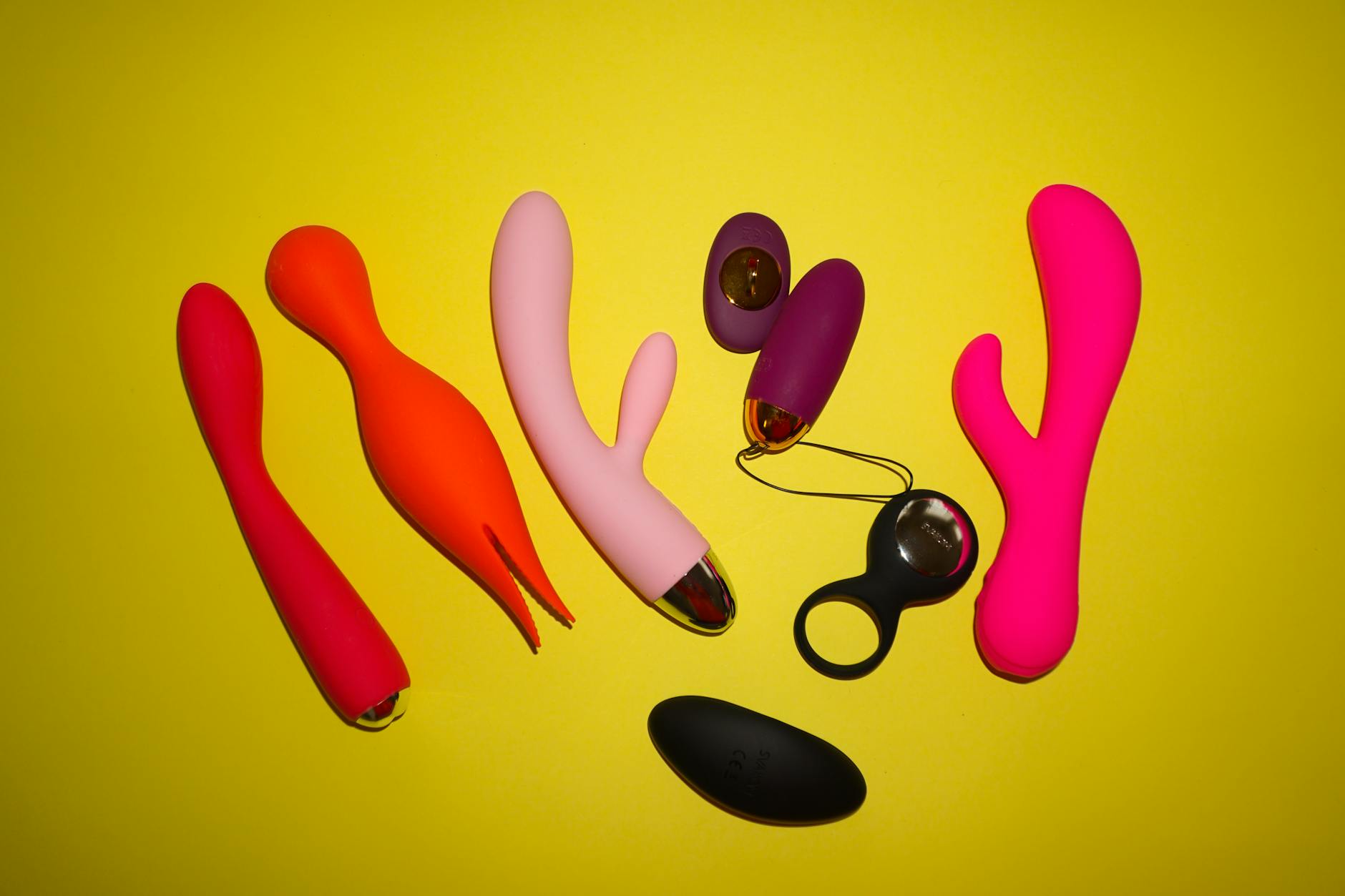
When therapy changes everything, pleasure has to catch up too
You've done the hard work. You've sat in the uncomfortable chair, named the patterns, confronted the blocks. And now you're supposed to just... go back to sex like nothing happened. Except something did happen. Your nervous system has been recalibrated. Your trust in your own body is being rebuilt. Pleasure doesn't automatically follow the therapeutic breakthrough. It needs time, practice, and sometimes, the right tool.
That's where lemon vibrators come in. Not as a replacement for the internal work, but as a bridge. A way to reconnect with physical sensation on your own terms, with zero pressure and absolute consent.
Why pleasure feels weird after therapy
Sex therapy targets the nervous system's threat response. Many people who seek it have learned, over years or decades, to treat their genitals as dangerous territory. Anxiety, shame, or past trauma live there. Therapy teaches your vagus nerve that it's safe now. That it doesn't need to clamp down. That sensation is information, not emergency.
But knowing this intellectually and feeling it in your body are not the same thing. Your nervous system has deep, old patterns. It's like learning a new language. You can memorize the grammar and still feel uncertain speaking it aloud.
When you're in early reintegration, lemon vibrators offer something unique. They provide sensation without the relational complexity. No performance pressure. No partner's needs layered on top. No negotiation. Just you, your breath, and a tool that's designed to work with your clitoris, not against it.
The nervous system case for suction-based stimulation
Most vibrators buzz. The lemon clitoral vibrator works through pulsed suction. That difference matters, especially post-therapy.
Buzz-based vibrators activate the entire vulva. They're diffuse. Some people love that. But after therapy, when your nervous system is still learning that sensation equals safety, the diffuse quality can feel overwhelming or numb. Your brain hasn't fully calibrated what "good sensation" means yet.
Suction, by contrast, is concentrated. It targets the clitoris specifically. The sensation is intense but localized. This gives your nervous system a clear, readable signal. Your brain can track exactly what's happening. There's no confusion, no ambient noise. That clarity helps your body relearn: this feeling is good, it's safe, I chose it.
Many of my clients report that the suction of a lem vibrator feels less aggressive than they expected. It's more like a pulse, a rhythm, something your body can anticipate. Predictability is deeply calming to a nervous system in recovery.
Solo practice as reintegration homework
Therapists don't usually assign solo pleasure work explicitly. But they're thinking about it. Reintegration means rebuilding a felt sense of safety with your own body. You can't outsource that. Your partner can't fix it for you. You have to practice.
Using a lemon clitoral vibrator solo gives you a laboratory. You get to learn:
How long arousal actually takes now. (It might be slower or faster post-therapy. Both are normal.)
What patterns of stimulation feel good without anyone watching or waiting.
How to stay present in sensation instead of checking out or performing.
How to notice the difference between numbness and deliberate relaxation.
How pleasure builds over time instead of expecting it to appear on demand.
Start in a space where you feel completely alone and safe. No locked bedroom if you live with others and that creates anxiety. Maybe a bathroom, a hotel room, somewhere your nervous system doesn't scan for threats. Use the lem vibrator at low settings. You're not chasing orgasm. You're training your nervous system to stay with sensation.
The tempo matters more than you think
Most vibrators offer fixed patterns or settings. Nancy's Lem has distinct intensity levels. In early reintegration, don't jump to the strongest setting. That's not sexy, that's retraumatizing.
Start at pattern 1 or 2. Let your body adjust. You might spend a whole week at that level. Your nervous system doesn't care if you reach climax. It cares that you stay present. That you notice what happens. That you choose to keep going.
When intensity increases, it should feel like turning up the volume slightly, not flipping a switch. Slow progression builds trust with your own body. And that's what post-therapy integration is really about.
Working with a partner during reintegration
If you're in a partnered relationship, the question of how to use lemon vibrators together during reintegration often comes up. Here's what I recommend: keep early solo practice completely separate from partnered sex.
Your solo time with a lemon clitoral vibrator is about you learning your own nervous system. It's not foreplay. It's not preparation for something else. It's complete in itself. Once you've built that solo foundation, you and your partner can explore together. But not yet.
When you're ready to bring it into partnered sex, go slow. Many people find that using a suction vibrator during partnered sex actually feels easier post-therapy because it lets them focus on their own sensation without getting lost in the relational dance. You're literally holding the tool. You have agency. You can pause it, adjust it, take it away. That control is healing.
Addressing the shame that might come up
Between you and me, some people feel weird buying a vibrator after therapy. Like they should be "fixed" now. Like needing a tool means the therapy didn't work.
That's not how the nervous system works. Using a lem vibrator isn't cheating. It's not a sign you're broken. It's like using a heating pad for muscle tension. Your nervous system learned to brace and protect. It takes time to unlearn that. A vibrator is just a tool that makes the practice easier.
Shame is the enemy of integration. If you notice judgment coming up about using a lemon clitoral vibrator, sit with that. What does it mean? Where did that voice come from? Usually it's someone else's rule, not your own. Post-therapy work includes giving yourself permission to take care of your own pleasure. That permission has to be real.
When to reintroduce partnered pleasure
There's no fixed timeline. Most therapists suggest a few weeks of solo reintegration before moving back into partnered sex. But "a few weeks" is a moving target. You'll know when you're ready. The signal is usually: you can stay present during solo pleasure without checking out, without anxiety spiking, without going numb.
Once you have that, partnered sex becomes different. Less scary. Your partner hasn't changed, but your nervous system's relationship to touch and sensation has shifted. You have proof now that pleasure is accessible to you. That your body can feel good. That sensation isn't dangerous.
A lemon vibrator can stay part of your practice afterward. Some couples use them together. Some people keep them solo-only. Both are fine. The point is that you now have agency over your pleasure. You're not waiting for it to happen to you anymore.
Frequently Asked Questions
Can I use a lemon vibrator if I'm still in sex therapy?
Absolutely. Talk to your therapist about it, but most therapists actually encourage solo exploration during treatment. It's practice. You're learning your own nervous system in a low-stakes environment. A lem vibrator gives you tools to stay present and curious instead of scared.
How long does reintegration usually take?
There's no standard timeline. Some people feel reconnected to pleasure in 4-6 weeks. Others take several months. Your nervous system doesn't rush. It learns when it feels safe. Pushing the timeline usually backfires. Let it take as long as it takes.
What if I still feel numb even with a lemon clitoral vibrator?
Numbness is information, not failure. It usually means your nervous system is still protecting. Talk to your therapist. Sometimes numbness needs more time. Sometimes it's a sign that you need a different kind of support. A vibrator is useful, but it's not a substitute for clinical help.
Is it normal to cry while using a lemon vibrator after therapy?
Yes. Pleasure and grief can come up at the same time. Your body is reconnecting with sensation it may have shut down years ago. That can bring up a lot. Crying is not a sign something's wrong. It's often a sign that something is finally becoming real.
Can I use a lemon vibrator if I have vaginismus or pelvic floor tension from trauma?
Sometimes. The concentrated suction of a lemon clitoral vibrator is gentler on tense tissue than some vibrators. But if penetration or even external vibration triggers pain, talk to your physical therapist before using one. You might need more pelvic floor work first. And that's okay. You're not behind.
What if my partner wants to use the lemon vibrator with me and I'm not ready?
You get to say no. Full stop. Reintegration is your timeline, not theirs. If a partner pushes you back into partnered sex before you're ready, that's not reintegration. That's pressure. And your nervous system will remember that. You need time alone with your own pleasure first. A partner who respects that is showing up for the real work.
What comes next
Pleasure after therapy isn't about returning to how it was before. That frame doesn't work. It's about building something new. Something where your nervous system trusts your body. Where sensation feels safe. Where you get to choose.
A lemon vibrator is just scaffolding. It makes the early practice easier. But the real work is yours. It's showing up. It's staying curious. It's giving yourself permission.
You did the hard work in therapy. Now you get to do the joyful work of rebuilding pleasure. Take your time. Your body will catch up.