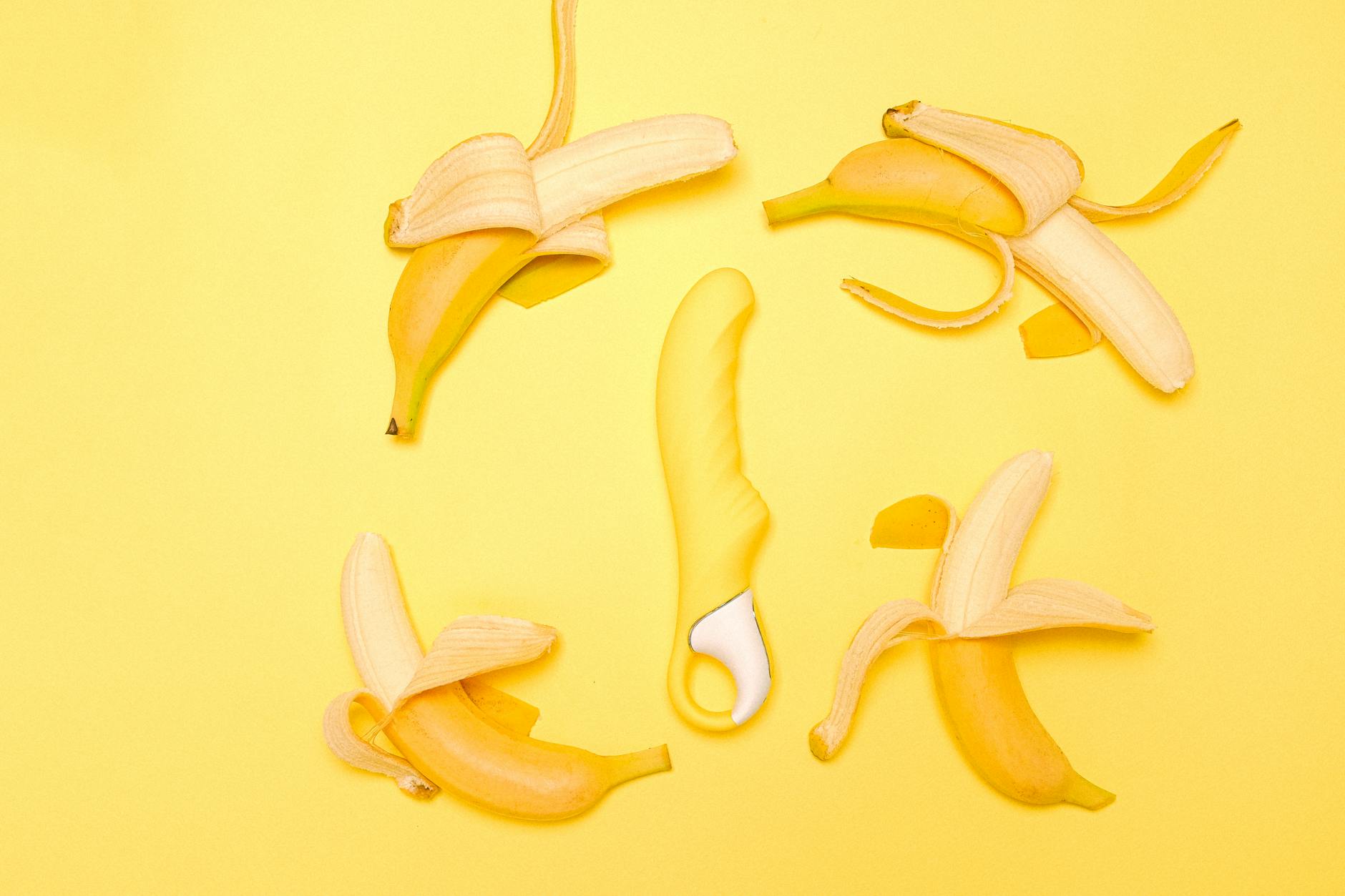
Here's the thing about pleasure after a breakup
After a relationship ends, your body can feel like territory you need to get to know again. If sex was part of that relationship, returning to pleasure on your own terms feels different. Sometimes it feels impossible. The path back isn't about forcing attraction or pretending nothing changed. It's about meeting yourself where you actually are.
I've worked with people across decades who've described this gap the same way: "I don't recognize my own body right now." That's not unusual. That's not broken. It's just real.
Why solo pleasure feels different after a breakup
When you've been with a partner, your body learns their patterns. You develop rhythm together. Then that person is gone, and your nervous system has to recalibrate what pleasure means when it's just you.
There's also the emotional layer. If the relationship ended badly, touching yourself might bring up grief, anger, or guilt. If it ended amicably, there can be this weird wistfulness. Your body remembers the closeness, and now you're asking it to find pleasure without that external validation.
Then there's the voice in your head that says you should "get back out there" or "move on faster." That voice is not helpful. Reclaiming your own pleasure is not the same as getting ready for the next person. It's about getting ready for yourself.
Why lemon vibrators specifically help this transition
Clitoral vibrators like the Lem work differently from partnered sex. They're consistent. They don't need to be told what you want. They respond to your body, not the other way around.
Lemon vibrators, with their suction-based design, create a sensation that's distinct from manual stimulation. That distinction matters right now. You're not trying to replicate what you had. You're exploring what your own body is capable of discovering. The Lem's air-suction pattern stimulates in a way that feels novel, which can short-circuit some of that grief-memory loop.
There's also something tactile about the shape and weight. After a breakup, you might be touch-starved. A tool that's designed to be held, that has presence in your hand, can feel grounding in a way that other vibrators don't.
Starting slowly and getting permission to have no agenda
Here's the mistake people make: they expect that using a lemon vibrator will automatically feel good the first time. Then when it doesn't, they assume they're broken or "not ready." That's backwards.
Your first time with a clitoral vibrator after a breakup might feel neutral. Or weird. That's completely normal. Your nervous system is processing a lot. Your body doesn't have muscle memory for this sensation yet.
Start at the lowest intensity setting. The Lem has pattern 1 through 3. Stay on 1 for a few sessions, just to let your body adjust. You're not trying to reach orgasm. You're trying to reconnect with sensation on your own terms. That's the only job.
Manypeople find that this low-stakes exploration actually makes pleasure easier to find. When there's no performance expectation, your nervous system relaxes. Relaxation is where pleasure lives.
The mental piece: reclaiming your body as yours
After a breakup, your body can feel like a shared memory. Using a clitoral vibrator is a way of saying "this is mine now." That might sound small, but neurologically and emotionally, it's significant.
I recommend thinking of solo pleasure as a form of self-advocacy. You're not doing this because you "should" move on quickly. You're doing it because you deserve to experience pleasure on your own terms, at your own pace, without anyone else's timeline or expectations.
When you use a lemon vibrator, you're in charge of speed, intensity, pattern, and duration. There's no negotiation. You don't have to worry about your partner's experience or your partner's needs. This is the rare moment where your pleasure is the only thing that matters.
For some people, that's deeply healing. For others, it takes a few tries before it stops feeling strange. Both are fine.
Building back to partnered pleasure (if and when you want to)
Eventually, some people want partnered sex again. Rediscovering your solo pleasure first actually makes that easier. Here's why: you've mapped your own body's responses. You know what patterns feel good. You know how to ask for what you need because you've already experienced it alone.
That's valuable information for any future partner. You're not coming to them as a mystery to be figured out. You're showing up already knowing your own pleasure.
If you're not ready for partnered sex right now, that's also completely fine. Solo pleasure is not a stepping stone to partnered sex. It's valid on its own.
When the emotional weight gets heavy
Sometimes during solo pleasure, grief or anger comes up unexpectedly. You might start feeling great, then a memory hits and the whole thing falls apart. That's not a sign to stop. That's actually your nervous system processing.
If it happens, here's what I suggest: pause. Breathe. You don't have to finish. You don't have to push through. Just notice what came up, and then maybe step away for a few minutes. You can come back to it later, or not. There's no penalty for stopping.
If the emotional weight feels too heavy to navigate alone, talking to a therapist about post-breakup grief and reclaiming sexuality is genuinely worthwhile. That's not weakness. That's practical support.
The timeline is different for everyone
Some people feel ready to return to pleasure a few weeks after a breakup. Others need months. Some feel ready and then discover they need more time after all. Your timeline is not a reflection of how serious the relationship was, how much you loved the person, or how "over it" you should be.
Your body will tell you when it's ready. The job is to listen.
People also ask
Is it normal to feel guilty using a vibrator after a breakup?
Yes. You might feel like you're "moving on too fast," or you might carry some of the shame that was in the relationship itself. That guilt is not a signal that you should stop. It's often just internalized messaging about what women "should" be doing with their bodies. You get to reclaim pleasure on your terms, on your timeline.
How long should I use a lemon vibrator before I feel results?
That depends on what "results" means to you. If you're looking for orgasm, most people find that takes a few sessions, sometimes longer if your body is adjusting. If you're looking to feel connected to pleasure again, that can happen in one session. Set your own marker for success, not someone else's.
What if using a vibrator makes me feel more sad, not better?
That's actually common. Solo pleasure can bring up a lot of feelings after a breakup, including sadness. That doesn't mean you should stop. It might mean you're processing something, and your body is using this time of vulnerability to do that work. If the sadness is consistent and overwhelming, talking to someone is a good call.
Can I use a lemon vibrator with a partner eventually?
Absolutely. Many people find that clitoral vibrators enhance partnered sex. If and when you're ready to explore that, using one solo first means you already know what you like, which makes communication easier. You can show your partner what feels good instead of trying to figure it out together from scratch.
How do I clean a clitoral vibrator like the Lem?
Water-based lube is your friend, and so is a toy cleaner or warm soapy water after each use. The Lem is waterproof, so you can rinse it under warm water without worrying. Let it air dry completely before storing. Check the care guide that comes with it for specifics.
What if I don't feel anything the first time I use a vibrator?
Your body might need time to adjust to a new sensation. Try it a few more times, maybe at different times of day or in a different setting. You might also try a longer warm-up period before introducing the vibrator. If you're consistently feeling nothing after several sessions, your body might just not be there yet, and that's okay.
The real work is showing up for yourself
Using a lemon vibrator after a breakup isn't about replacing what you lost. It's about discovering what's available to you right now. That might be pleasure. It might be comfort. It might be just remembering that your body is yours to explore.
All of those outcomes matter. None of them come with a timeline. The work is showing up without judgment, letting your body experience what it experiences, and staying curious about what comes next.
If you want to talk through how pleasure and healing might look for you personally, get in touch. This stuff is worth thinking through clearly.