Your psychiatrist switches your SSRI. Within days, you notice your partner's touch feels muted. Within a week, arousal takes twice as long. By the end of the first month, you're wondering if you'll ever feel pleasure the same way again. This isn't weakness. This isn't in your head. This is pharmacology, and it's wildly common.
Antidepressants are lifesaving. They're also notorious for sexual side effects: reduced desire, delayed or absent orgasm, difficulty with arousal, numbness. When you switch medications, you're not just stopping one drug and starting another. You're moving through a transition period where your nervous system is recalibrating, your hormone levels are shifting, and your body's sexual response is essentially rebooting.
The good news: this is temporary. The better news: you can actively rebuild sensation and pleasure during this window, rather than waiting passively for your body to settle.
Most SSRIs and SNRIs work by increasing serotonin in the brain. Serotonin affects mood, but it also dampens the sexual response system. When you switch to a different medication, or switch to one with a lower sexual side effect profile, your serotonin balance changes. That's why you might experience a period of hypersensitivity, or conversely, a longer numb phase.
Your body also needs time to adjust. The old medication is still in your system for days or weeks, depending on the drug. The new one is ramping up. During this overlap, sexual response is often the most unpredictable. You might feel nothing one day, hypersensitive the next.
This is also why you can't rush the process. Your prescriber probably told you to expect 4 to 6 weeks before you feel the full effect of the new medication. That same timeline applies to sexual function. Your body is learning how to respond to a new chemical environment.
Here's something most people don't realize: the transition period is actually an opportunity, not just a frustration. When you're rebuilding sensation from scratch, you have a chance to learn your body without the accumulated patterns of the old medication.
Maybe the old SSRI made orgasm nearly impossible, so you developed ways of being sexual that bypassed orgasm entirely. Or maybe you stopped initiating because arousal felt broken. When you're switching, you're not trying to "get back" to where you were. You're building something new.
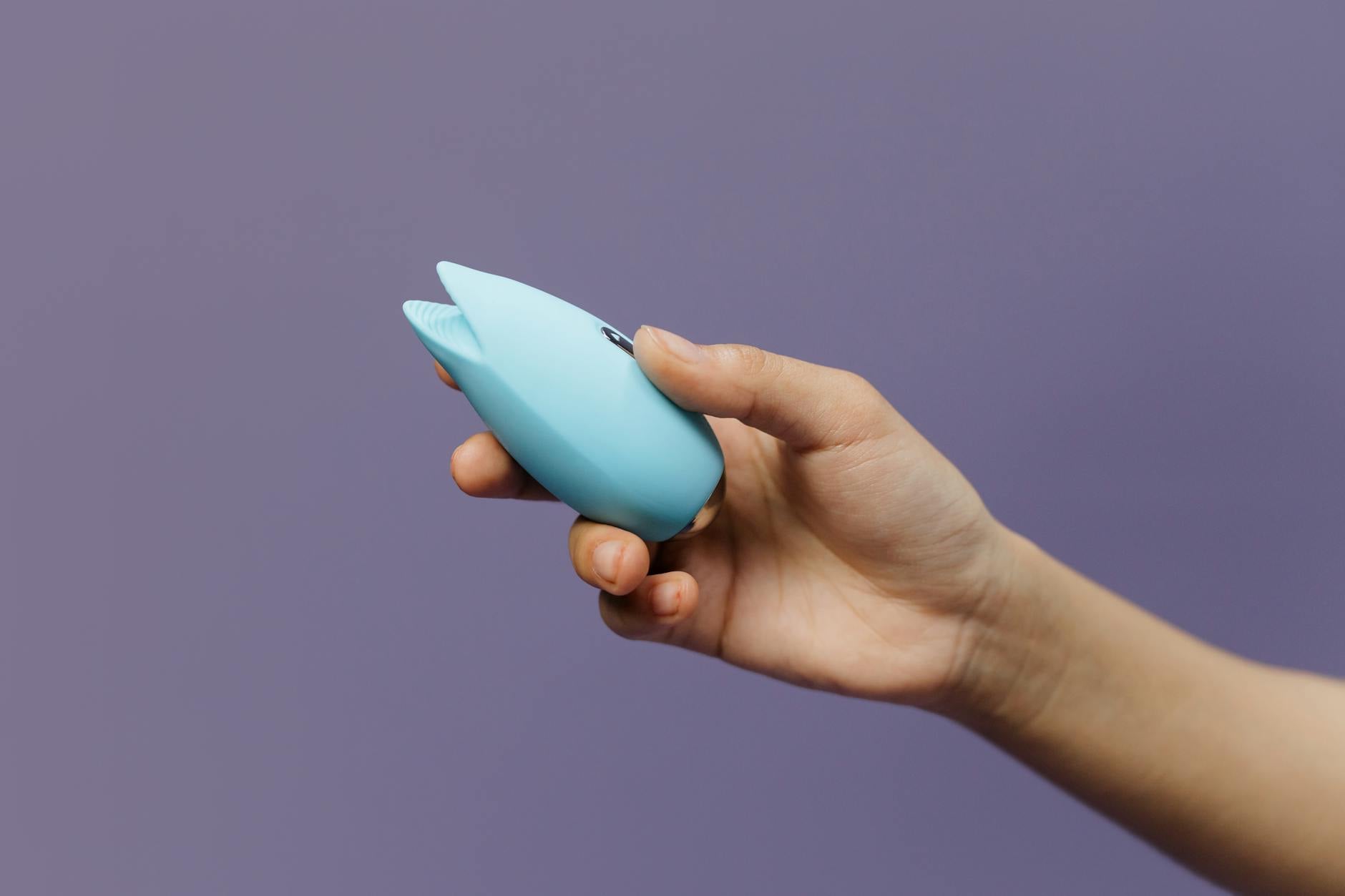
This is where lemon vibrators become genuinely useful tools. Unlike penetrative sex or manual stimulation, clitoral suction vibrators like the Lem work on a principle that doesn't require the same kind of arousal buildup. They stimulate nerve endings through rhythmic suction, not friction. That's particularly valuable when your body is in a fragile, recalibrating state.
When you're in that gray zone between medications, your arousal pathway is compromised. Your brain might be ready for sex, but your body isn't getting the signal. Traditional vibration can feel too intense or too numb. Air-suction vibrators work differently.
They create a sealed sensation around the clitoris. The suction pattern doesn't depend on rapid arousal buildup the way friction-based stimulation does. You can use them at lower settings and build gradually. This matters because your nervous system is literally learning how to respond to sensation again.
Many people find that the suction sensation is easier to feel when arousal is sluggish. It's distinct. It's rhythmic. It doesn't require the moisture or responsiveness that antidepressants often suppress. You can start with a setting so gentle it barely registers, and adjust upward as you rediscover what sensation feels like.
If you're in the first few weeks after switching medications, here's what tends to work:
Week one to two. Don't expect arousal. Use the lemon vibrator as a sensory exploration tool, not a goal-oriented device. This means setting time aside (maybe 15 minutes) when you're alone, in a comfortable place, and you're not trying to orgasm. You're noticing. Does this pattern feel good? Does this setting feel numbing? Is there a pressure point that registers more clearly than others? Get curious about your body's current baseline.
Week three to four. You might notice the first hints of arousal returning. This is when you can start longer sessions, maybe 20 to 30 minutes, and experiment with layering sensation. Some people find that fantasy or reading erotica helps bridge the gap. Others find that external pressure (like lying on your stomach with a pillow) changes what the vibrator feels like. Your job is to find your new pathway, not recreate the old one.
Week five onward. By the time your medication should be reaching steady state, most people report a significant return to baseline arousal and sensation. This doesn't mean everything is instantly back to normal. It means your body is responsive again. From here, you're fine-tuning rather than rebuilding.
The physical challenge is real. The emotional one is often harder. Losing sexual function, even temporarily, triggers grief. You might feel broken, unsexy, disconnected from your partner, or resentful that you have to choose between mental health and sexual pleasure.
You don't have to choose. But you do have to acknowledge that the transition is hard.
If you're in a relationship, this is worth naming with your partner. "I'm adjusting to a new medication and my body is recalibrating right now. It's not about you. It's not about us. It's chemistry. I'm exploring what works during this window, and I'd like support rather than pressure." Most partners respond well to directness. What they often can't handle is silence and withdrawal, which feels like rejection.
Solo pleasure is equally valid during this period. Using lemon vibrators for solo exploration isn't a substitute for partnered sex. It's a way to maintain a relationship with your own pleasure during a rough transition.
Not all medication side effects resolve on their own. If you're eight weeks into the new medication and sexual function hasn't improved, talk to your psychiatrist. There are often solutions: dosage adjustment, adding a medication to counter the sexual side effects, or switching again to a different class of antidepressant.
Don't assume you have to live with it. Sexual health is health, and most prescribers now take these concerns seriously.
The transition window is temporary. Your nervous system is more resilient than it feels right now. In a month or two, you'll likely find that arousal and sensation are returning naturally. The lemon vibrator isn't a permanent substitute for your body's own capacity. It's a tool for staying connected to pleasure while your body recalibrates.
Some people find they continue using clitoral vibrators even after the transition settles. That's fine. Others set them aside. That's fine too. The point is that you're not waiting passively for your medication to stabilize. You're actively engaging with your pleasure, learning your body's new baseline, and building confidence that sexual function will return.
It will. And when it does, you'll have spent this period understanding your body better, not judging it for changing.
Most people notice significant improvement between 4 and 8 weeks after the switch. This doesn't always mean a complete return to baseline, but arousal and sensation typically start improving around week four as the new medication reaches steady state. Some antidepressants have a shorter adjustment period than others. If nothing has improved by week 8, that's worth discussing with your prescriber.
Yes. In fact, the transition period when both medications are in your system is a good time to explore gentle stimulation. You're learning what sensation feels like under these specific conditions. Just keep expectations low during the overlap phase. Your body is adjusting, and that's okay.
Often, yes. SNRIs affect both serotonin and norepinephrine, and the side effect profile is different from SSRIs. Some people find SNRIs have fewer sexual side effects, others the opposite. Your individual response matters more than the drug category. If the first switch doesn't improve things, your doctor might try a different approach.
That depends on your relationship and communication style. If you're partnered and having sex, it's often helpful to frame it as exploration rather than a problem-solving device. "I'm experimenting with what feels good during this adjustment period" is different from "I need this to have pleasure." Partners often feel less threatened when they understand the context. But some people prefer to keep solo pleasure private, and that's also valid.
Yes. Some people experience a brief window of heightened sensitivity as medications wash out and new ones wash in. This can feel almost painful or overwhelming. If that's happening, lower the intensity on your clitoral vibrator dramatically. This phase usually passes within a week or two. If hypersensitivity persists, mention it to your prescriber.
Talk to your psychiatrist about dosage adjustment, or consider an augmentation strategy where a second medication offsets the sexual side effects. Some antidepressants are known to have lower sexual impact than others. You might also ask about taking a "drug holiday" one day a week, though this only works for certain medications. The point is you have options. Don't assume you're stuck with this forever.
If you're navigating a medication transition, you deserve pleasure during it, not after. Give yourself permission to explore gently. Use lemon vibrators or other tools that feel supportive. And be patient with your body. It's working harder than you realize.