Let's start with the thing nobody wants to admit
You've been using the same vibrator for years. It used to send you into orbit. Now you're wondering if something broke in you. The answer is both simpler and more fixable than you think: your nervous system got used to it. That's not failure. That's adaptation. And it's also completely reversible.
Why numbness happens with vibrators
Your skin and nerve endings don't stay in a static state of excitement. They adapt. This is called habituation, and it's the same reason a background hum stops bothering you after a few days, or why that expensive lotion stops feeling luxurious after the first week. Your nervous system learns the stimulus and stops throwing resources at it.
With vibrators, the process is faster and more pronounced because you're stimulating the same nerves in the same pattern over and over. Repetitive patterns at consistent frequency create neural pathways that eventually say, "We've seen this before. Not urgent." Your body becomes efficient. Efficiency kills arousal.
The vibration itself is usually to blame more than the toy. Most traditional vibrators use consistent, monotonous frequency. Your clitoris is exquisitely sensitive at first, then progressively less so. Increase the speed? That works for a while. Then numbness creeps back. It's an arms race your body will always win.
How sensation loss actually manifests
Most people describe it in a few ways:
- Orgasms take twice as long, or feel less intense
- You need to turn the vibrator up to maximum just to feel anything
- Switching toys doesn't help because the problem isn't the toy. It's the reset.
- Touching yourself without a vibrator feels almost dead
- You're frustrated because the toy used to work, and now you're second-guessing yourself
None of this means you're broken. It means your nervous system got efficient. That's actually a compliment to your body's intelligence. The bad news is that going back to your old vibrator at higher speeds digs you deeper into the hole. The good news is that there's a genuine reset button, and it's not what you think.
The difference clitoral suction actually makes
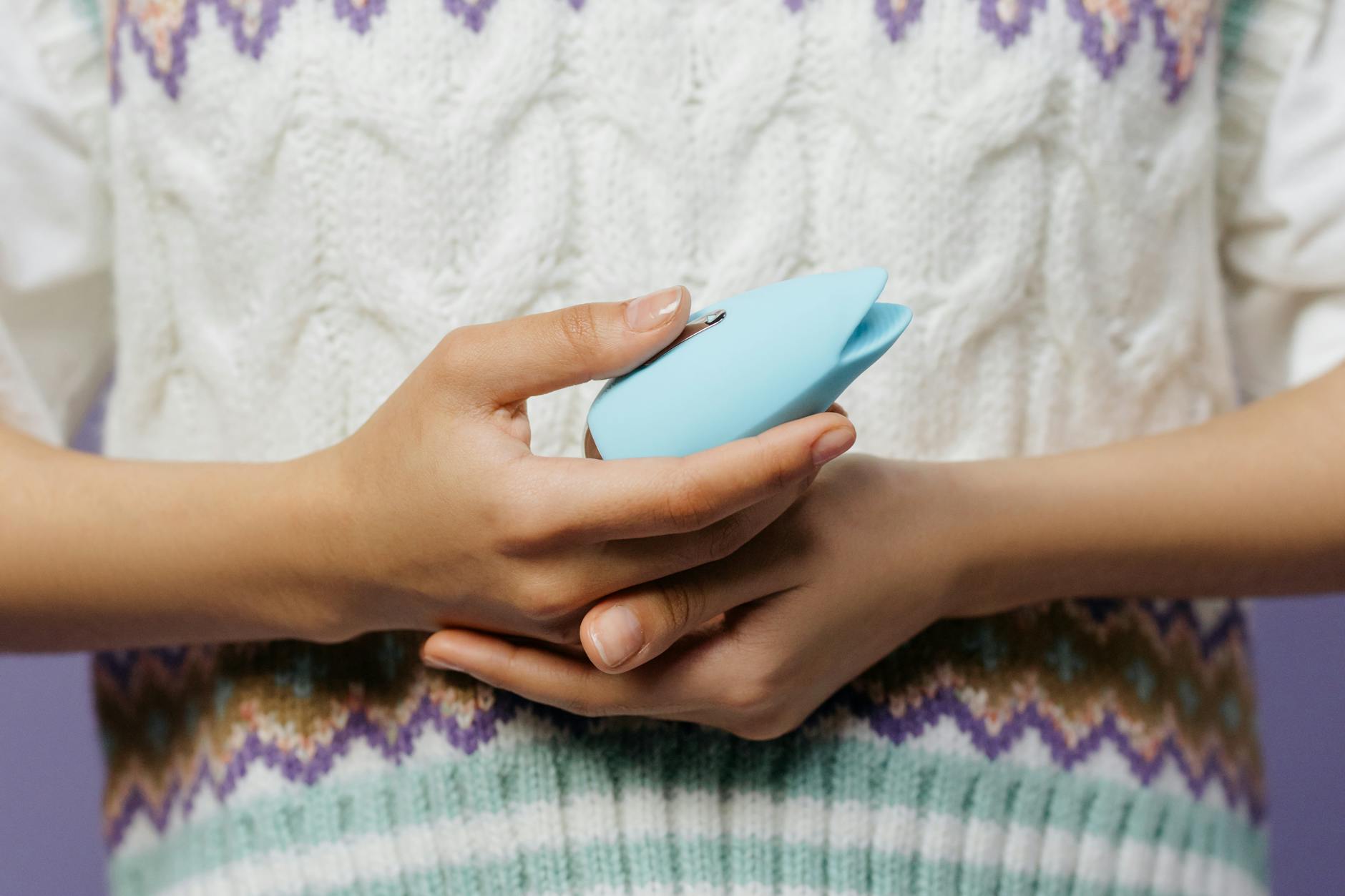
This is where lemon vibrators, which use air-suction technology, enter the picture. Here's the critical part: clitoral suction stimulates your tissue in a fundamentally different way than traditional vibrators.
A standard vibrator moves back and forth at a set frequency. Your nervous system learns this rhythm. A lemon suction vibrator creates gentle, rhythmic suction and release. The sensation is closer to oral sex, which uses a completely different neural pathway.
When you introduce a toy that feels neurologically novel, you're not triggering the desensitized pathways. You're waking up fresh nerve endings. The effect is almost always noticeable within the first few uses, sometimes from the first session.
This isn't magic. It's neuroscience. Your clitoris has thousands of nerve endings, and they don't all become numb at the same rate or in the same way. By changing the stimulus type, you're recruiting different sensory pathways. The numbness was pattern-specific, not sensation-specific.
The reset protocol that actually works
If you want to recover the sensation from your old vibrator, you need to take a break from it. Not forever. Usually 2-4 weeks of consistent non-use resets the desensitization.
Here's what I recommend:
Week 1-2: Go vibrator-free. Use your hands. That feels weird if you've been vibrator-dependent for years, but your hands offer feedback and variation your nervous system has been missing. You're retraining your body to respond to touch without artificial stimulation.
Week 2-3: Introduce something new. This is where a lemon suction vibrator or another fundamentally different toy comes in. The novelty is the therapy. You're not looking for speed or intensity. You're looking for sensation you've never felt before. Start on the lowest setting. Spend more time exploring than orgasming.
Week 4+: Mix your tools. You can bring back your original toy, but space it out. One session with your lemon vibrator, one with hands, one with your old vibrator at a lower setting. Variety keeps your nervous system engaged. Repetition puts it to sleep.
Why patience matters more than you think
I work with couples and individuals on intimacy for a living, and the pattern I see most often is someone pushing through numbness by turning up the intensity. That's the exact opposite of what works.
Turning up the intensity deepens the problem because you're asking your already-desensitized nerves to work harder. It's like yelling at someone who didn't hear you the first time. Eventually they just stop trying.
What actually works is lowering the intensity and staying with it. Use your lemon vibrator on setting 1 or 2 for a week. Feel weird about it? Perfect. That means you're activating new neural pathways. Boredom is progress.
The partner conversation, if there is one
If you're in a relationship, this can get awkward. Your partner might feel like the numbness is about them, or they might worry a new toy means they're not enough. Neither is true, but saying "My nervous system habituated to my vibrator" doesn't sound romantic.
What works: frame it as an upgrade to your shared pleasure. "I want to feel more. I found a tool that does that. Let's try it together." A lemon suction vibrator can feel less clinical or intense than a traditional vibrator if you introduce it that way. It's gentler. It's closer to what partners can provide with their mouths. That reframe changes everything.
If you're exploring solo, there's no conversation needed. Just be willing to experiment and stay patient with the reset period.
When to consider other variables
Sometimes numbness isn't just habituation. Medications like SSRIs, certain blood pressure drugs, or oral contraceptives can dull sensation. If you've recently started any new medication and noticed simultaneous numbness, that's worth asking your doctor about. There are usually alternatives.
Anxiety and stress also kill sensation. If you're using a vibrator while distracted or tense, your nervous system isn't fully engaged. The numbness might not be the toy. It might be your mental state. If that's your situation, the reset looks different: less tool experimentation, more presence work.
The actual mechanism of recovery
Your nervous system doesn't permanently damage. It adapts and it readapts. The desensitization you're experiencing is a feature, not a bug. Your body is protecting itself from overstimulation. Honoring that by taking breaks and introducing novelty is how you work with your biology instead of against it.
Most people feel noticeably different sensation within a week of switching to a clitoral suction vibrator after months or years of traditional vibrators. The contrast is striking because you're literally using a different sensory system. It's not that lemon vibrators are magical. It's that they're different enough to reset the adaptation.
FAQ
Can I permanently damage my clitoris with a vibrator?
No. Temporary desensitization isn't permanent damage. Your nerve endings recover when you change the stimulus. The clitoris is tougher and more resilient than most people assume. Years of vibrator use won't create lasting numbness if you're willing to take breaks and switch it up.
How long until I feel sensation again?
Most people notice recovery within 2-4 weeks of the reset protocol. Some feel it within days of switching to a clitoral suction vibrator because the sensation is so different. But patience matters. You're retraining neural pathways, not just buying a new toy.
Is a lemon vibrator different enough to matter if I've used a strong vibrator?
Yes. The suction mechanism works through a different sensory pathway than vibration. Even if you've used powerful vibrators, the novelty of suction-based stimulation usually recruits fresh nerve endings. Start low and stay with it.
Should I throw away my old vibrator?
No. After you've reset, you can bring it back into rotation. The key is rotation. Using one vibrator every single time is what creates numbness. Variety prevents it. Think of it like exercise. Doing the same workout every day creates adaptation. Mixing your routine keeps your body engaged.
What if numbness comes back after I switch toys?
That means you need another reset, and also probably a bigger rotation strategy. Don't use the same toy more than 2-3 times per week. Your nervous system will thank you.
Can numbness be a sign of something medical?
Generalized numbness across your body could be neurological and worth checking with a doctor. But localized clitoral numbness that improves with breaks and toy variety is almost always habituation. If it doesn't improve after a real reset period, then talk to your healthcare provider.
What comes next
Sensation recovery isn't complicated. It's mostly about permission. Permission to take breaks. Permission to experiment with different tools. Permission to start at a low intensity and build from there. Your pleasure isn't permanent damage. It's a nervous system that got efficient. And efficient systems reset faster than you'd expect.
If you're in a relationship, this is also a chance to explore pleasure with a partner in a different way. If you're solo, this is the time to remember that your hands are also tools, and sometimes the most powerful reset is the one that's been with you the longest.
The fact that you noticed the numbness and you're asking about it means you care about feeling again. That's the hardest part. The recovery is just showing up, switching things up, and being patient with your body's intelligence.